
Marion County
Mold remediation in Indianapolis, IN
From Irvington bungalows to Pike Township subdivisions, every job tested first and cleared by an independent lab.
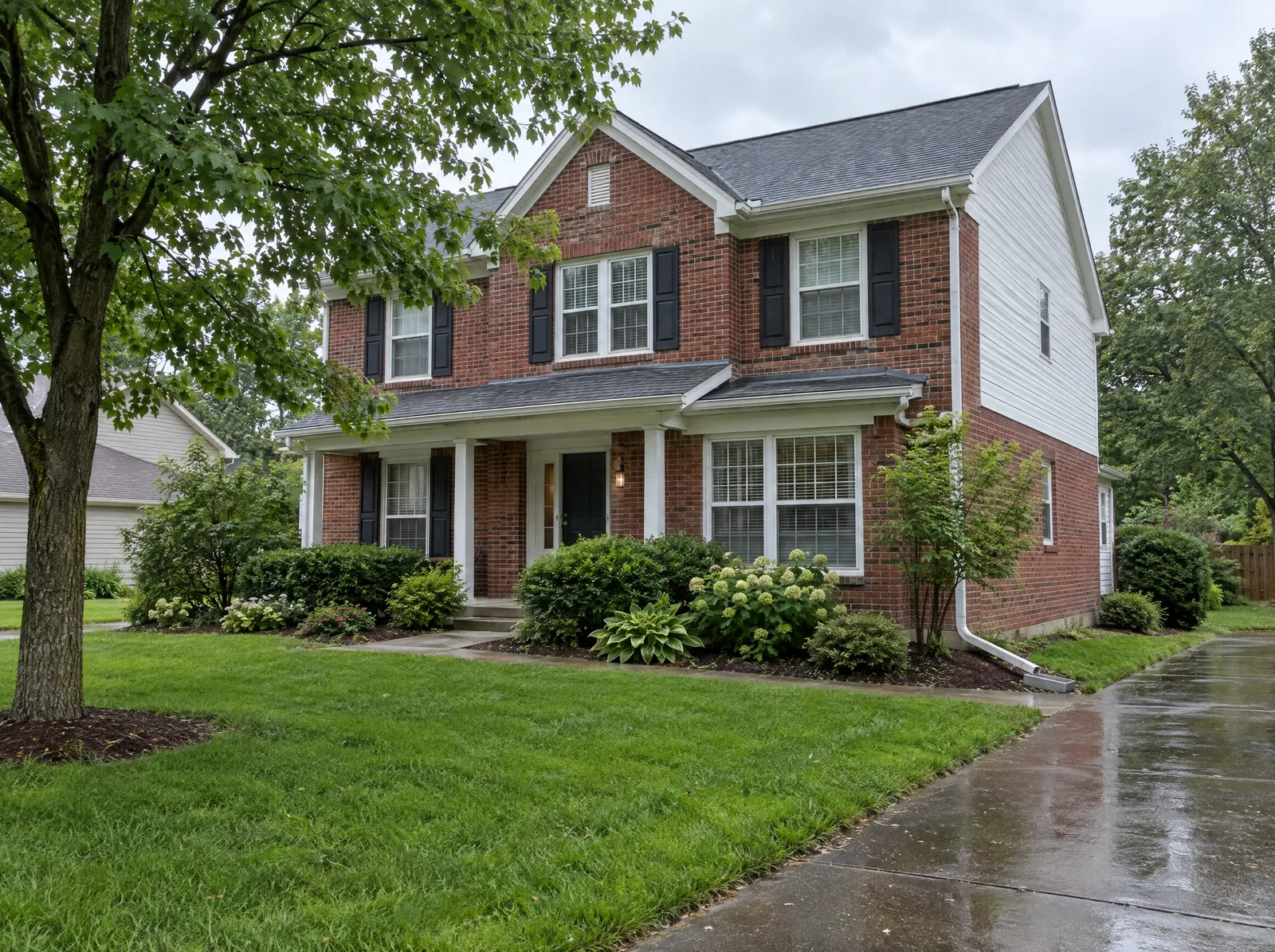
How mold remediation works in Indianapolis
Mold remediation in Indianapolis, IN starts with finding the moisture and testing what's growing, then removing it inside containment and proving the result. American Mold Experts works across all of Marion County from our office in Avon, on the city's west side. We test before and after every job, break down mycotoxins with enzymes, and let the lab results decide when we're finished.
Indianapolis housing, block by block
Indianapolis has a wider spread of housing ages than any suburb around it. Near downtown, neighborhoods like Lockerbie Square, the Old Northside, Woodruff Place and Irvington hold homes from the late 1800s and early 1900s, many with stone or brick foundations and plaster walls. Those basements were dug for coal and furnaces, and they were never meant to stay dry.
Farther out, the post-war ranches and split-levels of Warren, Wayne and Washington townships often sit on crawlspaces or slabs, with ductwork running through spaces that trap summer humidity. The newest subdivisions in Franklin and Pike townships are built tight, which holds moisture in whenever bath fans and dehumidifiers fall behind.
Water shapes the city too. The White River, Fall Creek, Eagle Creek, Pleasant Run and Pogue's Run all cross Marion County, and heavy spring storms raise groundwater against basement walls in the neighborhoods closest to them. Add humid summers and a long heating season, and most Indianapolis homes see moisture stress at some point every year.
- County
- Marion County, a consolidated city-county since 1970
- Housing range
- Late 1800s homes to new construction
- Served from
- Our Avon office, on the west side
- Lab turnaround
- Results in 24 to 48 hours
Mold services in Indianapolis
- Mold testing in IndianapolisAir, dust and moisture survey
- Mycotoxin testing in IndianapolisSettled-dust toxin panels
- Mold remediation in IndianaContained removal and clearance
- Crawlspace mold in IndianaCommon under post-war ranches
- Basement mold in IndianaOld stone walls to new finished levels
- Apartment mold remediationFor landlords and property managers

Why families trust us with their homes
-
Family-owned since 2008
A multigenerational family business. Not a franchise, not a private-equity rollup.
-
Credentialed where it isn't required
Indiana doesn't license mold remediators. We hold IICRC, CMR, CRMI and CCMI credentials anyway.
-
Called on as experts
Attorneys bring us into legal cases involving mold and mycotoxins.
-
Lab results in 24 to 48 hours
Every inspection comes with a written report, color photos and lab results.
- IICRC Certified Firm
- CMR
- CRMI
- CCMI
- BBB A+ Accredited
- NAMRI
- IAQA
- NORMI
- AMMA
- PMII
Near-downtown homes built before 1940
Indianapolis neighborhoods closest to downtown, such as Irvington, Fountain Square, Bates-Hendricks, Herron-Morton Place and the Old Northside, hold houses that are a century old or more. Their basements often have stone or brick walls with no exterior waterproofing, and gutters may still drain into buried tile lines that stopped working long ago. The result is a basement that’s damp in spring, humid in summer and rarely fully dry.
Renovations add another layer. When an older house gets new drywall over plaster, spray foam in one room and not the next, or a finished basement over a slab that still wicks moisture, mold can start in the gaps between old and new materials. Our answer on whether older Indianapolis homes are more prone to mold goes into more detail.
Post-war ranches and the newer townships
Beyond the old core, most Indianapolis homes went up after World War II. In Warren, Wayne, Perry and Washington townships, ranches and split-levels from the 1950s through the 1970s commonly sit over crawlspaces, with furnaces and ducts under the floor. Humid summer air in those crawlspaces is a steady source of mold, and leaky return ducts carry it into living areas.
Newer subdivisions in Pike, Franklin and Decatur townships are a different story. Those homes usually have basements or slabs, tight construction and central air. Problems there tend to trace back to a single failure, like a sump pump, a plumbing leak or a bath fan venting into the attic. Mold testing in Indianapolis tells us which kind of problem we’re dealing with before any work is priced.
Wherever you live in the city, the order of work stays the same. We test, write a scope, set up containment with HEPA air filtration, remove or clean what’s contaminated, treat for mycotoxins with enzymes and retest. The clearance results are yours to keep, and they’re useful later if you sell, refinance or need to show an insurer what was done.
What remediation costs here
Cost depends on the size and location of the affected area, whether materials have to be removed, and whether mycotoxin cleanup is needed. Angi’s figures for the Indianapolis area put most remediation jobs between about $1,026 and $3,005. We explain what moves a project up or down in how much mold remediation costs in Indianapolis, and your written scope is based on what the lab found, not a guess.
Renters have a separate set of questions about who pays and how fast repairs should happen. Whether Indianapolis apartments have to fix mold covers the landlord side.
We remove mold and mycotoxins from buildings. We don’t diagnose or treat medical conditions.
Indianapolis mold questions
Have a question that isn't here? Call a specialist
How much does mold remediation cost in Indianapolis?
It depends on how much material is affected and where it is. Angi puts typical Indianapolis remediation jobs at about $1,026 to $3,005, with an average near $1,999, and large basements, crawlspaces or mycotoxin cleanup can run higher. We give you a written scope after testing, before any work starts, so you know the number up front.
Do you work in older homes near downtown?
Yes. Irvington, Fountain Square, Bates-Hendricks, Herron-Morton Place and the Old Northside are familiar ground. Older homes call for care with plaster, original woodwork and stone foundations, so we keep containment tight and remove only the materials testing shows are contaminated.
Can you help Indianapolis renters or landlords?
Yes. Tenants often need independent test results to show a landlord, and property owners need a scope and a clearance report for their records. We work for either side, and our reports stick to what was measured and what was done.
Do I need to leave my house during remediation?
Usually not. Most Indianapolis jobs are sealed off to one area under negative air pressure, so the rest of the house stays usable. If someone in the home is highly sensitive, we'll talk through whether a short stay elsewhere makes sense during the dustiest steps.
Do you test for mycotoxins in Indianapolis homes?
Yes. We add a mycotoxin panel on request, and we recommend one when a family is working with a doctor who has asked about the home. The panel measures toxins in settled dust, which a spore count can't show, and we repeat it after remediation.
We're done when the lab says so.
Every remediation ends with clearance testing, and our work is backed by a complete-removal guarantee. We don't close a job on a failed result.
Talk to a specialistGet your Indianapolis mold question answered
Describe what you're seeing or smelling and which part of the city you live in. A specialist from our Avon office will follow up to talk through testing.
- (833) 772-6653
- info@americanmoldexperts.com
- Open 7 days, 8am to 8pm