
How do you prevent mold after a flood?
Short answer
You prevent mold after a flood by drying the building fast, ideally within 24 to 48 hours as the EPA and CDC advise, removing wet porous materials that can't be dried, and cleaning and disinfecting what stays. Keep humidity low with dehumidifiers and airflow, check wall cavities and under flooring, and confirm materials are dry with a moisture meter before anything is closed up or rebuilt.
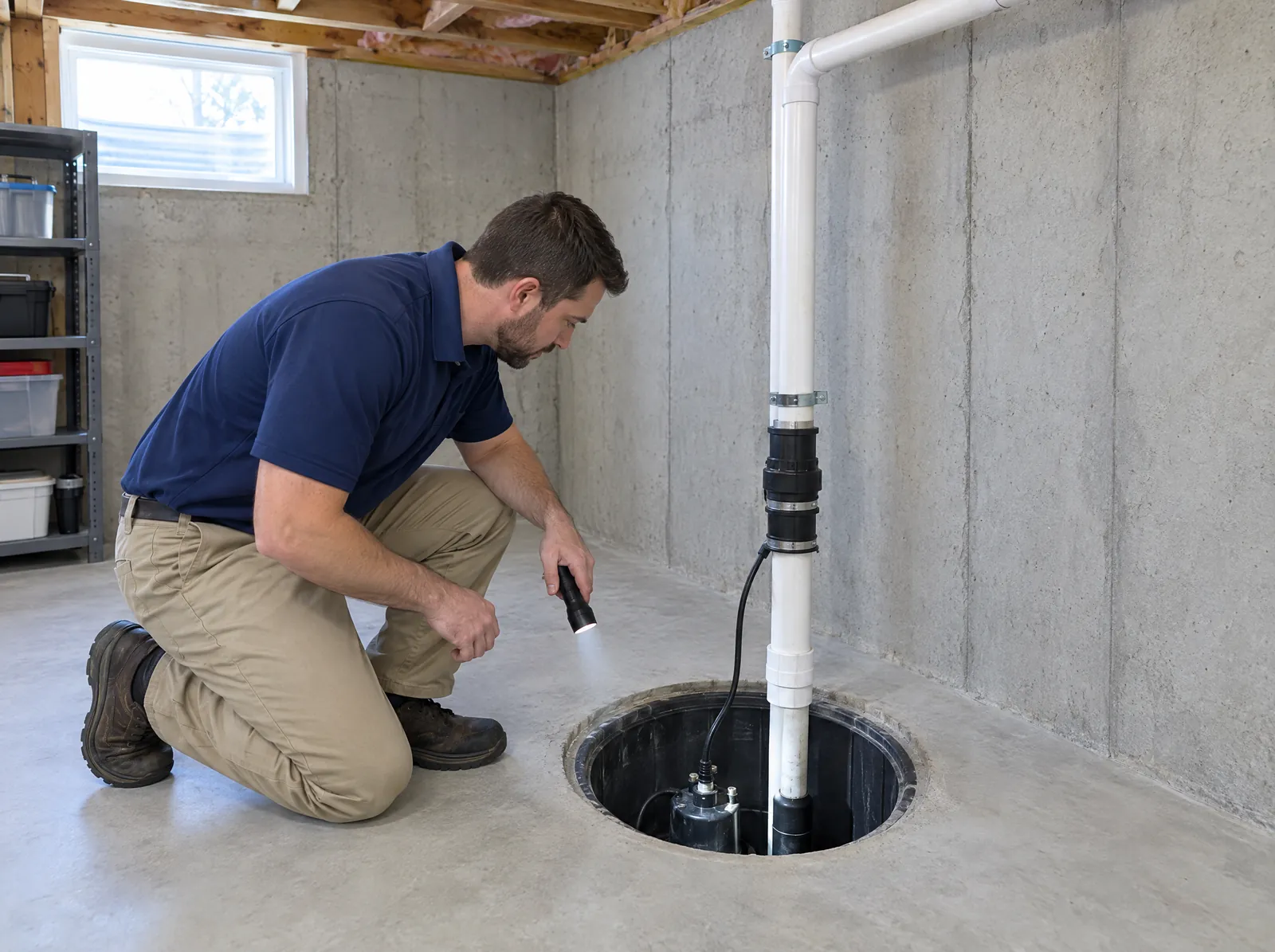
Safety before cleanup
Floodwater is different from a clean-water leak. The CDC warns that it can carry sewage, chemicals and debris, so the first priorities are about people, not mold:
- Don’t enter a flooded area until the power to it is off, and have an electrician check anything that was underwater.
- Never run gas-powered pumps, generators or pressure washers indoors, because of carbon monoxide.
- Wear rubber boots, waterproof gloves, goggles and an N95 respirator during cleanup.
- Keep children and anyone with a weakened immune system or lung condition away from the work.
- Photograph everything before you move it, for your insurance claim.
The prevention plan, material by material
The CDC’s shorthand for flood cleanup is “when in doubt, take it out.” Porous materials that soaked up floodwater hold both moisture and contamination, and they rarely dry fast enough to stay clean.
| Material | After floodwater contact |
|---|---|
| Carpet and pad | Remove and discard |
| Drywall | Cut out above the water line, often by a foot or more, and discard |
| Wet insulation | Remove and discard |
| Upholstered furniture and mattresses | Usually discarded |
| Solid wood framing and subfloor | Clean, disinfect and dry thoroughly |
| Concrete, tile, metal and glass | Clean, disinfect and dry |
| Cabinets | Solid wood may be saved; particleboard usually swells and is replaced |
Carpet is the item people most want to keep and most often regret keeping. Our answer on whether mold can grow in carpet explains why.
Drying: the step that decides everything
Mold prevention after a flood comes down to how fast and how completely the structure dries. Opening walls lets air reach the cavities. Fans move air across wet surfaces, and dehumidifiers pull the moisture out of that air so it doesn’t just settle somewhere else. Keep windows closed while dehumidifiers run on humid days, and open them when outdoor air is drier.
The problem is that materials can feel dry on the surface while the inside of a stud, the bottom plate or the subfloor is still wet. That is where mold starts a few weeks later, usually after the new drywall is up. A moisture meter, or a professional drying company with meters and thermal imaging, takes the guesswork out. Only close walls and install new flooring once readings show the materials are dry.
Where mold hides after a flood
- Bottom plates and the lower studs behind new drywall
- Under vinyl, laminate or engineered flooring laid back over a damp subfloor
- Inside base cabinets and behind toe kicks
- In ductwork and the furnace or air handler if they were in the water
- In stored boxes and belongings moved to another room while still damp
If your HVAC system took on water, have it inspected before running it, so it doesn’t spread dust and spores through the house. Our knowledge page on mold after water damage covers what happens when drying falls behind, and for local guidance see what to do after a basement flood in Indiana.
Confirm before you rebuild
A few weeks after the cleanup, watch for a musty smell, new staining or condensation. Testing before rebuilding, or soon after if anyone at home is sensitive to mold, shows whether the drying and cleaning worked while problems are still easy to reach.
We remove mold and mycotoxins from buildings. We don’t diagnose or treat medical conditions. If you or anyone in your home has symptoms, please talk with a doctor. With your permission, we’re glad to share test results with them.
We're done when the lab says so.
Every remediation ends with clearance testing, and our work is backed by a complete-removal guarantee. We don't close a job on a failed result.
Talk to a specialistHad a flood and not sure it's dry?
Tell us when the water came in, how high it reached and what has been done so far. A specialist will explain what to check before walls and floors get closed back up.
- (833) 772-6653
- info@americanmoldexperts.com
- Open 7 days, 8am to 8pm