
What should I do after a basement flood in Indiana?
Short answer
Make it safe first: cut power to the basement if water is near outlets or appliances, and don't wade in until you know it's safe. Then find the source, document everything for insurance, remove standing water, and get wet materials drying or out within 24 to 48 hours, the window the EPA gives for preventing mold. Before you refinish, confirm the basement is dry and clean.
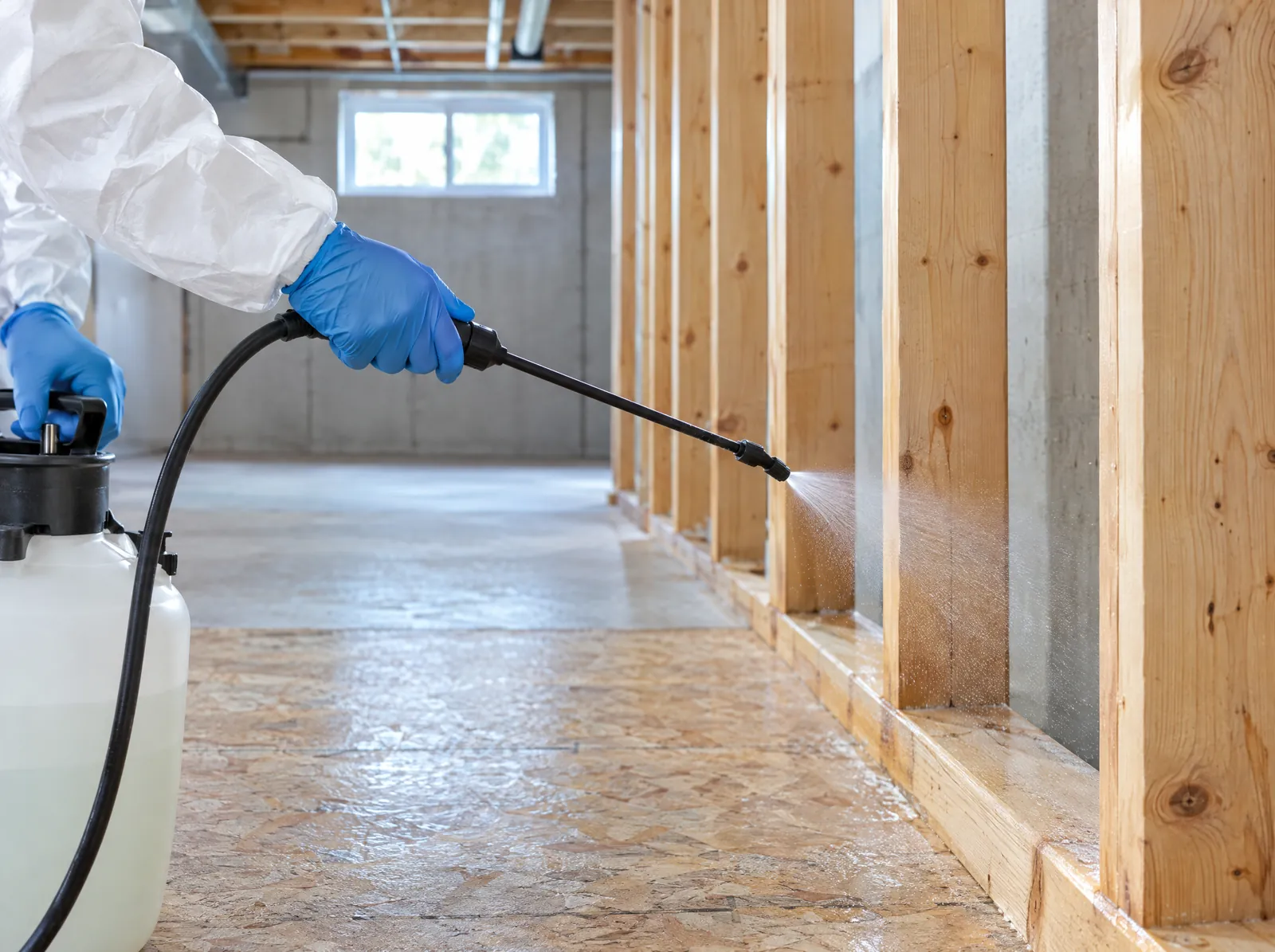
First hour: make it safe
- Electricity. If water is near outlets, cords, the furnace or the water heater, shut off power to the basement at the panel, but only if you can reach the panel without standing in water. If you can’t, call your electric utility or an electrician.
- Gas. If you smell gas, leave the house and call your gas utility from outside.
- Sewage. If the water came up through a floor drain or toilet, treat it as contaminated. Wear boots and gloves, and keep children and pets out.
- Structure. Bowed walls, new large cracks or a sagging floor above call for a professional before anyone goes down.
First day: find the source and document it
Where the water came from decides almost everything that follows, including cleanup and insurance. In Indiana basements, it’s usually one of four things:
| Source | What it usually means |
|---|---|
| A burst or leaking supply line, water heater or washer | Clean water at first. Many materials can be dried if you move fast. |
| Groundwater through the walls or floor after heavy rain | Dirty water. Drainage, grading or waterproofing needs attention. |
| A failed or overwhelmed sump pump | Groundwater, often a lot of it. See our sump pump failure page. |
| A sewer backup through a floor drain | Contaminated water. Porous materials it touched generally need to go. |
Sewer backups deserve a special mention in Indianapolis. Many of the city’s older neighborhoods are served by combined sewers, which carry stormwater and sewage in the same pipes, so a heavy storm can push water back up floor drains. A backwater valve installed by a plumber can help prevent a repeat.
Before you throw anything out, take photos and video of the water line, the damage and the items affected. Call your insurer or agent promptly. Whether a claim is paid often depends on the source and on an optional water backup endorsement, as our page on homeowners insurance and mold in Indiana explains.
First 48 hours: water out, drying started
The EPA advises drying water-damaged materials within 24 to 48 hours to prevent mold growth. In a humid Indiana summer, treat that as the outside limit. Pump or wet-vac standing water, move belongings to a dry floor, pull up wet carpet and pad, and run dehumidifiers with the basement closed to outdoor air. Box fans help move air across wet surfaces, but only once there’s no visible mold, since blowing air across growth spreads spores.
Drywall that wicked water up from the floor usually can’t be dried in place fast enough, especially with insulation behind it. Cutting it off a foot or two above the wet line lets the wall cavity dry. If the water was contaminated, porous materials it touched generally need to come out rather than be dried.
First week and beyond: prove it before you rebuild
Surfaces dry long before framing, bottom plates and the slab do. Put new drywall and carpet over materials that are still wet and you’ve built a place for mold to grow out of sight. Before refinishing, check moisture in the framing and slab with a meter, and consider testing if the water sat for more than a couple of days, came from a sewer or groundwater, or if you notice a musty smell. For what floodwater does to a house over time, see how Indiana floods affect mold. If growth has started, our basement mold removal page explains how we contain and clean it without tearing out more than we have to.
We remove mold and mycotoxins from buildings. We don’t diagnose or treat medical conditions. If you have symptoms, please work with a doctor.
We're done when the lab says so.
Every remediation ends with clearance testing, and our work is backed by a complete-removal guarantee. We don't close a job on a failed result.
Talk to a specialistWant to know what's still wet?
Moisture mapping and lab samples tell you whether the basement is ready to rebuild. Tell us what happened, and a specialist from our Avon office will call you back.
- (833) 772-6653
- info@americanmoldexperts.com
- Open 7 days, 8am to 8pm