
Decision guide
Should I move out because of mold? A decision guide
Fix the house or leave it. A clear way to weigh both options, with the numbers in front of you.
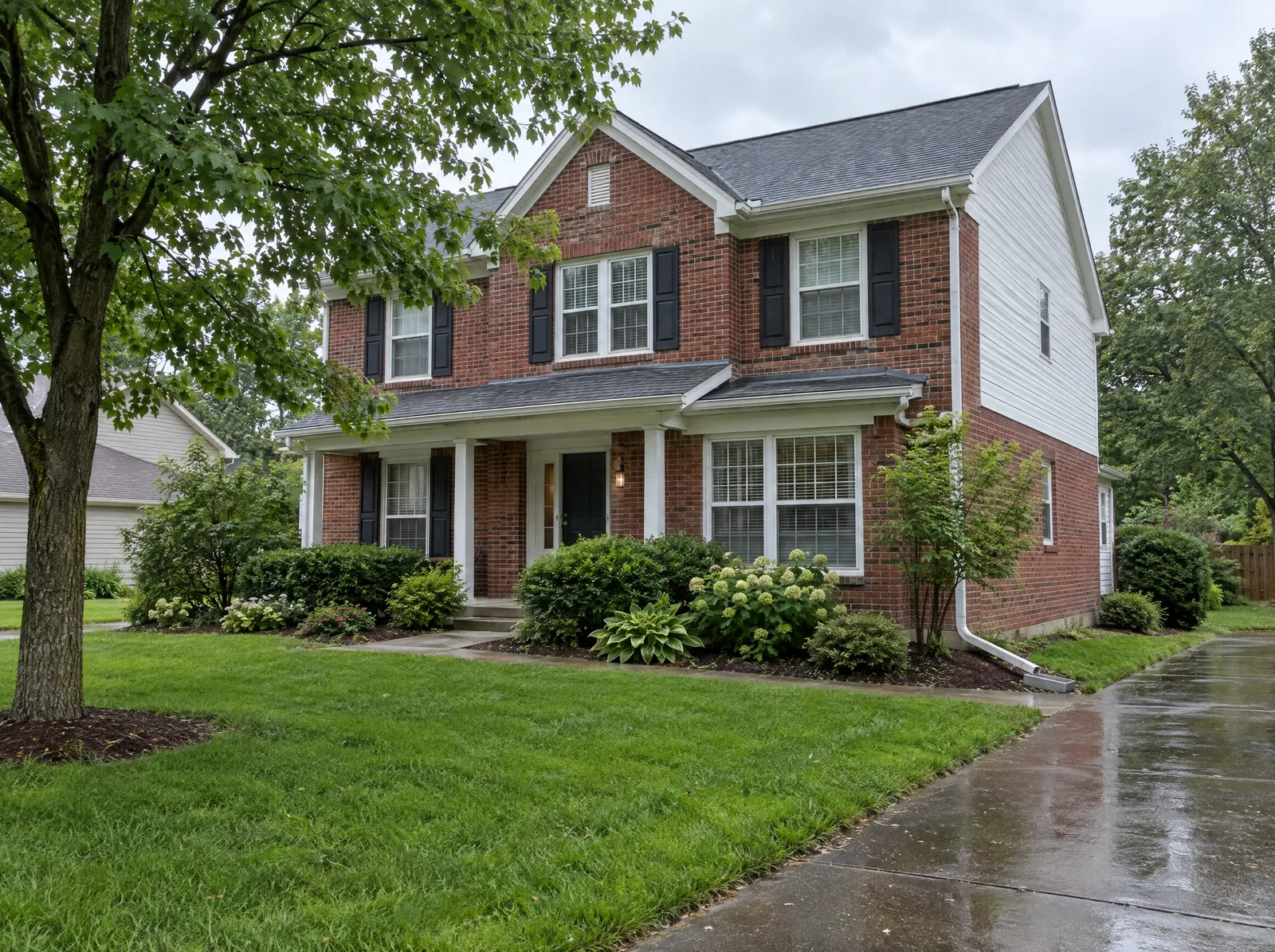
Should you move out because of mold?
Whether you should move out because of mold depends on what testing finds, whether the moisture source can be fixed, what remediation would cost next to what the home is worth, and what your doctor advises for anyone who is sick. Moving out for a few weeks during the work is common. Leaving for good is a bigger decision, and it doesn't solve the problem by itself, because belongings carry the same dust to the next home.
Why this decision gets made in a hurry
Families usually face this question at the worst possible moment: someone is unwell, the house suddenly feels unsafe, and every option looks expensive. It's natural to want out immediately. But deciding before testing means deciding without the two facts that matter most, how much of the house is affected and whether the cause can be fixed.
We've seen families sell a home that needed a contained, fixable repair, and families pour money into a house whose water problem was built into the foundation. Both outcomes are avoidable with the right information in hand.
Sound familiar?
- You're weighing a move before anyone has tested the house.
- Nobody has told you whether the moisture problem can actually be fixed.
- You have a remediation quote but no way to compare it with the cost of leaving.
- You're afraid that moving means starting over with nothing.
We do it differently.
| A rushed decision | A tested decision | |
|---|---|---|
| Starting point | Fear and a visible stain | Lab results and a moisture inspection |
| The source | Unknown | Identified, with an opinion on whether it's fixable |
| Cost of staying | A guess | A written scope and price |
| Cost of leaving | Rarely added up | Moving, contents cleaning and testing the next home |
| Belongings | All or nothing | Sorted by what can be cleaned |

Why families trust us with their homes
-
Family-owned since 2008
A multigenerational family business. Not a franchise, not a private-equity rollup.
-
Credentialed where it isn't required
Indiana doesn't license mold remediators. We hold IICRC, CMR, CRMI and CCMI credentials anyway.
-
Called on as experts
Attorneys bring us into legal cases involving mold and mycotoxins.
-
Lab results in 24 to 48 hours
Every inspection comes with a written report, color photos and lab results.
- IICRC Certified Firm
- CMR
- CRMI
- CCMI
- BBB A+ Accredited
- NAMRI
- IAQA
- NORMI
- AMMA
- PMII
The AME Clearance Method
Making the decision, one step at a time
This is the order we suggest to families. It keeps the medical question with your doctor and puts real numbers on the building question.
Talk to a specialist-
Test before you decide
Dust DNA testing, a mycotoxin panel, air sampling and a moisture inspection show how widespread the problem is. Results usually return in 24 to 48 hours.
-
Find the source
A roof leak or a failed supply line is a repair. Chronic grading, foundation or crawlspace water may be a much larger project. Know which one you have.
-
Get a written scope and price
What would be removed, cleaned and treated, which rooms, and whether the family would need to stay elsewhere during the work.
-
Price the other path honestly
Moving costs, selling costs, cleaning or replacing contents, temporary housing, and testing the next home before you commit to it.
-
Take the medical question to your doctor
Share the results and the plan. Whether a sick family member can return to a remediated house is a medical judgment, not ours.
-
Decide, with a contents plan either way
Stay or go, your belongings need a plan. That part of the work doesn't disappear with a new address.
What we give you to make the decision
- Air, dust DNA and mycotoxin testing
- A moisture inspection that names the source
- Our honest view on whether the source is fixable
- A written scope and price for remediation
- Guidance on whether work can be contained around occupied rooms
- A contents assessment: clean, hold or replace
- Reports you can share with your doctor
- No obligation to hire us for the work

Proof you can hold in your hands
When we finish, you don't get a handshake and a promise. You get the paperwork your family, your doctor, your insurer or your buyer can rely on.
Inspection report
What we found, where it is coming from, with color photos.
Written remediation plan
Scope, timeline and what will and won't be removed, before work starts.
Clearance lab report
Air, surface and mycotoxin results after the work is done.
A report for your doctor
With your permission, we share results directly with your care team.
Weighing remediation against moving
Two different questions: moving out for now, or for good
“Should I move out?” can mean two things, and it helps to separate them. The first is temporary: should the family live somewhere else while the work happens? That’s common and often sensible, especially when someone in the house is sick. The practical side is covered in our answer to “Can I stay in my house during mold remediation?” If someone is ill and the question is whether they should be elsewhere while the home is tested and treated, see “Do I need to leave my house if I have mold illness?”
The second is permanent: should you give up on this house? That’s the question this guide is about. It’s a financial decision, a practical decision and, for anyone who is ill, a medical one. We can help with the first two. The third belongs with your doctor.
What testing tells you that a visual check can’t
The amount of visible mold is a poor guide to this decision. A small stain can sit in front of a wall cavity full of growth, and a dramatic-looking bathroom ceiling can turn out to be surface growth from a fan that never worked. Before you decide anything, you need to know three things: which molds and toxins are present, how far they’ve spread through dust and the HVAC system, and what’s feeding them. Dust DNA testing, a mycotoxin panel, air sampling and a moisture inspection together answer those questions.
Adding up both sides
Families usually compare a remediation quote with nothing, because the cost of moving is spread across a dozen bills. Put both sides on paper:
| If you remediate and stay | If you move |
|---|---|
| Testing, before and after | Testing the current home anyway, for disclosure and for your contents |
| Fixing the moisture source | Selling costs, and possibly a lower price for a home with known water history |
| Remediation and HVAC cleaning | Moving costs and, often, overlapping housing costs |
| Rebuilding removed materials | Testing the next home before you commit |
| Temporary housing during the work, if needed | Temporary housing while you look, if needed |
| Cleaning or replacing contents | Cleaning or replacing contents |
Notice the last row appears on both sides. Belongings are a cost either way, which surprises many families. For guidance on cost ranges, see what mold remediation costs. After testing, we give you a written scope and price before any work begins.
When the source is the deciding factor
The single strongest signal in this decision is whether the water can be stopped for good. A leaking roof, a failed supply line, a clogged condensate drain or a bathroom fan that vents into the attic are fixable, and once they’re fixed, remediation has a stable house to work in. Water that comes from how the house sits on its lot, such as chronic foundation seepage, a crawlspace below the water table or grading that sends every storm toward the house, can still be corrected, but the repair may be larger than the remediation itself. Ask for a clear opinion on which kind you have before you choose.
If you do move
Moving is a legitimate choice, and some families are right to make it. Three things make it go better. Test the next home before you commit, since a newer or cleaner-looking house can still have a water history, as our answer on whether a new house can have mycotoxins explains. Plan how contents will be cleaned before they’re packed. And keep the testing records from the old house, because you may need them for disclosure when you sell. Selling rules vary by state, so ask your agent or attorney what applies.
If you stay
Staying works best when the finish line is set at the start. Agree on the testing target with your doctor, get a written scope that covers the whole-home dust and the HVAC system, not just the moldy room, and make sure clearance measures the same thing your doctor will look at. Then plan how the house will be kept dry once the crew leaves.
We remove mold and mycotoxins from buildings. We don’t diagnose or treat medical conditions, and nothing on this page is medical advice. Please make health decisions, including whether and when to return to a home, with your doctor. With your permission, we’re glad to share test results and our plan with them.
Common questions
Have a question that isn't here? Call a specialist
Should I move out during mold remediation?
No one should be inside the work area. Whether the rest of the household can stay depends on how much of the home is affected, whether the work can be contained around occupied rooms, and your doctor's advice for anyone who is sick. Many sensitive families stay elsewhere until clearance passes.
Is it cheaper to move than to remediate?
Sometimes, but people often underestimate the cost of moving. Add selling costs, moving, cleaning or replacing contents, temporary housing and testing the next home, then compare that total with a written remediation price.
Can a house with a lot of mold be saved?
Many can. The deciding factor is usually whether the moisture source can be fixed permanently, not how much mold is visible. A house with a correctable leak is usually a better candidate than one with water built into the structure.
If I move, can I leave the mold behind?
Not automatically. Furniture, clothing and boxes carry settled dust from the old home. Cleaning belongings before they go into the new house is part of any move after mold exposure.
Do I have to tell buyers about mold if I sell?
Disclosure rules vary by state. Many states expect sellers to disclose known defects, and past mold or water damage can fall under that. Ask your real estate agent or attorney about the rules where you live.
Should I test a new home before I buy or rent it?
For a household dealing with mold illness, many families do. A home can look clean and still have a history of water damage. Testing before you commit is far easier than remediating after you move in.
Can you test without doing the remediation?
Yes. Many families start with testing only. You get the lab results and our written recommendations, with no obligation to hire us for the work.
We're done when the lab says so.
Every remediation ends with clearance testing, and our work is backed by a complete-removal guarantee. We don't close a job on a failed result.
Talk to a specialistGet the facts before you decide
Tell us about the house and where you are in the decision. A specialist will call you back to talk about testing, with no pressure either way.
- (833) 772-6653
- info@americanmoldexperts.com
- Open 7 days, 8am to 8pm