
Can a new house have mycotoxins?
Short answer
Yes. A new house can have mycotoxins if mold grew on building materials that got wet before or during construction, or after move-in from leaks, condensation or high humidity. Rained-on framing, drywall stored in the damp and walls closed up before they dried are the usual causes. A home's age offers no protection. Only testing shows whether toxins are present.
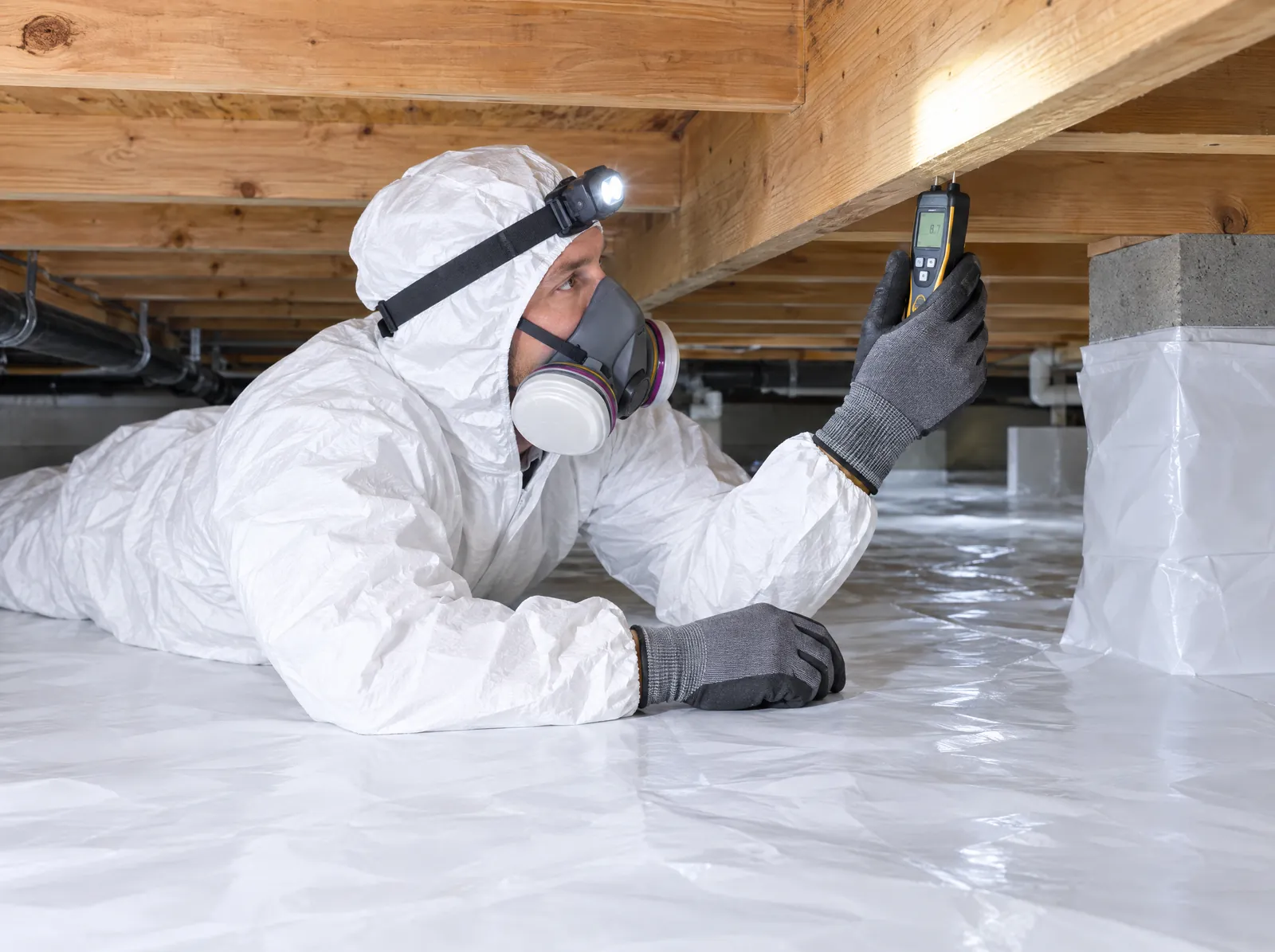
How mold gets into a house that’s brand new
Mold doesn’t care how old a building is. It needs moisture, something to feed on and time. New construction supplies all three more often than people expect. Lumber and sheathing sit open to rain and snow while a house is framed. Drywall and insulation may be delivered before the roof is on. Concrete slabs, foundation walls and joint compound all release water as they set and dry. If the house is closed in and the walls finished before those materials have dried out, damp wood and paper end up sealed inside the walls.
After move-in, the causes look like any other house: a flashing detail that leaks, a plumbing connection that drips, a bathroom fan vented into the attic, a crawlspace without enough moisture control, or an oversized air conditioner that cools without drying the air. Tighter, energy-efficient houses hold on to indoor moisture unless ventilation is designed and working properly.
Common trouble spots in newer homes
| Where | What usually goes wrong |
|---|---|
| Framing and subfloor | Wood rained on during construction and enclosed before it dried |
| Basement or crawlspace | Drainage, vapor barrier or dehumidification not keeping up |
| Attic | Bath or kitchen fans venting into it, or poor attic ventilation |
| Window and door openings | Flashing gaps that let water into the wall |
| HVAC system | A coil or drain pan that stays wet, or dust from construction in the ducts |
| Bathrooms and laundry | Leaking connections or fans that aren’t moving enough air |
Mycotoxins follow the mold. They’re made by some molds as they grow, they’re stable, and they collect in settled dust and porous materials. A house that had mold hidden in a wall for its first year can carry that residue even after the leak is fixed.
Signs worth checking
- A musty smell, especially in a basement, closet or when the air conditioning starts
- Condensation on windows or ductwork that keeps coming back
- Indoor humidity that stays high on a simple hygrometer
- Stains, bubbling paint or warped trim near windows, doors or plumbing
- Water in the crawlspace or basement after heavy rain
None of these proves mold, and plenty of problems stay out of sight. Our page on whether you can have mold without seeing it covers hidden growth in more detail.
What to do if you suspect a problem
Start by writing things down: photos, dates, humidity readings and any water events. If the home is still under a builder’s warranty, read what it says about moisture and mold, and report the issue in writing. Be cautious if the proposed fix is to spray the area and paint over it, because that tends to hide the problem rather than remove it.
An independent inspection with moisture mapping can find the source. Dust-based testing then shows which molds have been growing and whether toxins have built up. Mycotoxin testing for your home explains how samples are taken and what the lab measures, which gives you something concrete to bring to a builder, an attorney or your doctor.
If you’re buying a recently built home, the same checks apply. A standard home inspection looks for visible defects and may not include mold sampling, so ask about it separately if the house sat unfinished through a wet season or has had any water events since it was completed.
We remove mold and mycotoxins from buildings. We don’t diagnose or treat medical conditions, and nothing here is medical or legal advice. If anyone in the home has symptoms, please talk with a doctor. With your permission, we’ll share our test results with them.
We're done when the lab says so.
Every remediation ends with clearance testing, and our work is backed by a complete-removal guarantee. We don't close a job on a failed result.
Talk to a specialistWorried about a newer home?
Describe what you've noticed and when the house was built, and a specialist will walk you through whether testing makes sense.
- (833) 772-6653
- info@americanmoldexperts.com
- Open 7 days, 8am to 8pm