
Should I throw away my mattress after mold exposure?
Short answer
Not always. If the mattress got wet, has visible mold, smells musty, or sat for a long time in a heavily affected room, replacing it is usually the better choice. If it was only exposed to airborne dust in a lightly affected area, thorough HEPA vacuuming and a sealed encasement may be reasonable. Either way, deal with the house first.
Why mattresses are a hard call
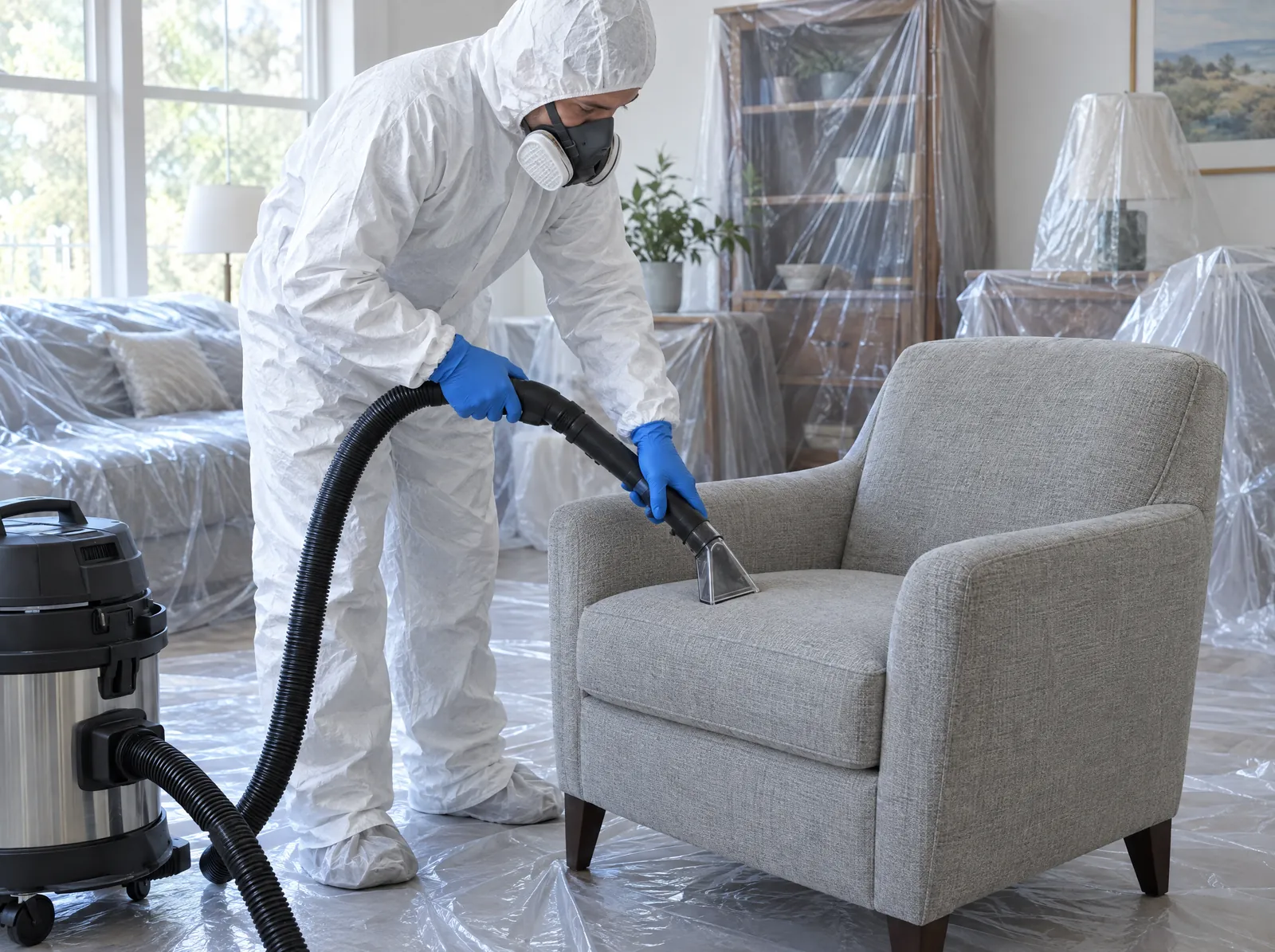
A mattress is layers of fabric, foam, batting and sometimes coils, and every layer acts like a filter. Dust settles on it every day, and body weight presses that dust deeper. You can’t put it in a washer, and a vacuum only reaches the outer layers. It’s also where people spend many hours every night with their faces close to the surface. That combination is why mattresses get more caution than a dresser or a lamp from the same room.
Cost cuts both ways. A new mattress is a real expense, and replacing one too early, before the house is cleaned, wastes it. Replacing everything in a panic isn’t the goal. Making the decision with some information about how contaminated the room actually is usually leads to a better call.
A quick way to decide
| Situation | Usual choice |
|---|---|
| Got wet, has water stains, or shows visible growth | Replace |
| Still smells musty after airing out and vacuuming | Replace |
| Sat for months in the room with the mold source | Usually replace |
| Crib or infant mattress from an affected home | Many families replace it, since it’s a smaller cost |
| Lightly exposed in a room away from the source | HEPA vacuum, encase and monitor |
| A household member is working with a doctor on mold-related illness | Many families choose to replace |
The same logic applies to box springs and fabric-covered foundations, which are often dustier inside than the mattress on top. Upholstered headboards belong in the same conversation.
If you keep it
- Wait until the source is removed and the room has been cleaned. Cleaning a mattress in a contaminated room just reloads it.
- HEPA vacuum all six sides slowly with an upholstery tool, paying attention to seams, tufts and handles.
- Put it in a zippered encasement rated as an allergen barrier. That keeps what’s left inside the mattress and away from your bedding.
- Wash every piece of bedding separately. Our page on washing mycotoxins out of fabrics covers the routine.
- Clean the bed frame, the underside of the bed and the floor beneath it too.
If you replace it
- Don’t bring the new mattress into the house until remediation and cleaning are finished, or it starts collecting the same dust.
- Wrap the old mattress in heavy plastic before carrying it through the house, so it doesn’t shed dust down the hallway.
- Check your local rules for mattress disposal. Many areas have specific pickup or drop-off requirements.
Testing can help in some cases. A surface swab or dust sample from a mattress can show whether toxins are present, but it reflects the spots sampled, not the whole interior. Our page on mycotoxin testing explains what different sample types can tell you.
When to call a professional
A mattress decision is part of a bigger question: what else in the room, and in the house, has been collecting the same dust? If you’re weighing a full bedroom of furniture, or you’re not sure where the mold is coming from, an inspection and dust testing give you a basis for deciding. Our guide to mycotoxins on belongings covers other household items.
We remove mold and mycotoxins from buildings and help families decide what to do with belongings. We don’t diagnose or treat medical conditions. If you or your child has symptoms, please talk with a doctor about how cautious to be. With your permission, we’ll share our results with them.
We're done when the lab says so.
Every remediation ends with clearance testing, and our work is backed by a complete-removal guarantee. We don't close a job on a failed result.
Talk to a specialistDeciding what to keep?
We can test and assess the bedroom and its contents, then help you decide what to clean and what to replace.
- (833) 772-6653
- info@americanmoldexperts.com
- Open 7 days, 8am to 8pm