
Mycotoxin profiles
Aflatoxin mold in the house: what to know
Aflatoxins are uncommon in building dust but not unheard of. Here's where they come from and how they're found.
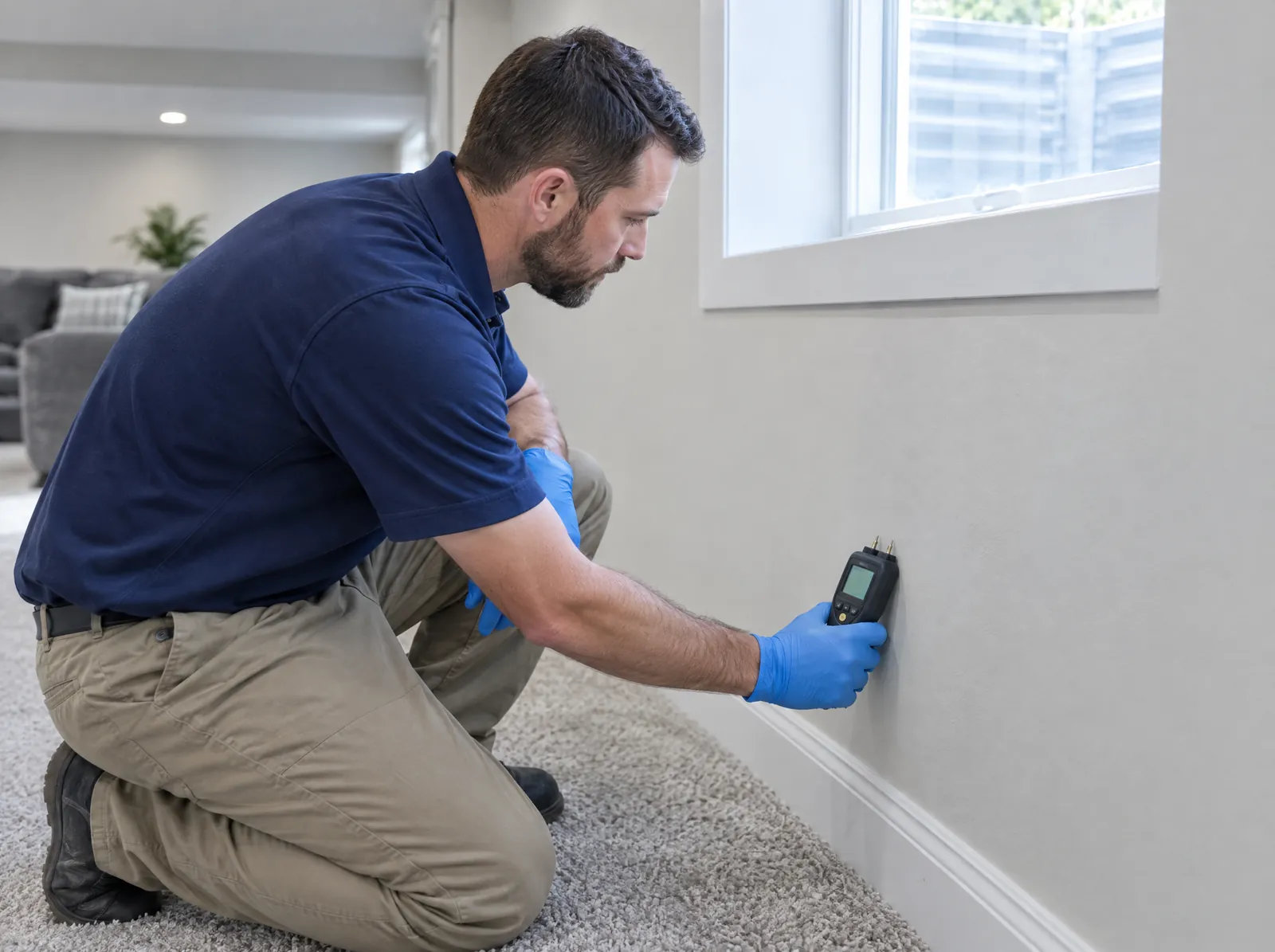
Can aflatoxin mold grow in a house?
Aflatoxin mold can grow in a house, but it's less common than other indoor mycotoxin problems. Aflatoxins are made mainly by Aspergillus flavus and Aspergillus parasiticus, molds best known for contaminating crops like corn and peanuts. Indoors, they can grow on damp stored goods and, less often, on water-damaged materials. Not every strain makes aflatoxin, so finding the mold isn't the same as finding the toxin. A mycotoxin panel tells you.
Why aflatoxin gets both overblown and overlooked
Aflatoxins have a serious reputation from food safety, so a single detection on a home panel can cause real alarm. At the same time, most indoor mold testing never looks for them, and the molds that make them aren't among the most common indoor species. Both problems have the same fix: good information about where the toxin is and where it came from.
One more complication: a related compound, sterigmatocystin, is much more common in damp buildings and is sometimes confused with aflatoxin.
Sound familiar?
- A panel found aflatoxin and you're worried about what it means.
- You found mold on stored grain, birdseed, nuts or pet food in a damp area.
- Dust DNA testing showed Aspergillus flavus and you want to know if toxins came with it.
- You can't tell whether this is a house problem or a stored-goods problem.
We do it differently.
| Reacting to one number | Working from evidence | |
|---|---|---|
| Interpretation | Aflatoxin means the whole house is contaminated | Where it was found, how much, and alongside which molds |
| Likely sources | Assumed to be the walls | Stored goods and damp materials both checked |
| Related compounds | Sterigmatocystin ignored or confused | Reported and read separately |
| Scope | Whole-house guesswork | Sized to what testing shows |
| Result | Uncertain | Before and after numbers from the same method |

Why families trust us with their homes
-
Family-owned since 2008
A multigenerational family business. Not a franchise, not a private-equity rollup.
-
Credentialed where it isn't required
Indiana doesn't license mold remediators. We hold IICRC, CMR, CRMI and CCMI credentials anyway.
-
Called on as experts
Attorneys bring us into legal cases involving mold and mycotoxins.
-
Lab results in 24 to 48 hours
Every inspection comes with a written report, color photos and lab results.
- IICRC Certified Firm
- CMR
- CRMI
- CCMI
- BBB A+ Accredited
- NAMRI
- IAQA
- NORMI
- AMMA
- PMII
The AME Clearance Method
How we handle an aflatoxin finding
With aflatoxin, confirming the result and checking storage often come before anything else.
Talk to a specialist-
Confirm what was found
We read the report closely: which aflatoxins (B1, B2, G1, G2), the amounts, the detection limits and the method. A single mail-in result may be worth confirming with a second sample.
-
Check stored goods
Grain, seed, nuts, pet food and birdseed kept in a damp basement, garage or pantry are inspected. Moldy goods are bagged and removed.
-
Map moisture in the building
Walls, floors, basements and crawlspaces are checked for materials that have stayed damp long enough to grow mold.
-
Sample the source and living areas
Dust from the suspected area and from the rooms people use shows whether the toxin is local or spread through the house.
-
Remove and clean under containment
Contaminated porous materials come out behind containment, and dust is captured with HEPA vacuuming and damp wiping.
-
Treat and retest
Remaining surfaces get an enzyme treatment designed to break mycotoxins down, followed by a repeat panel using the same method.
What an aflatoxin investigation includes
- Review of any earlier lab reports
- Inspection of pantries, storage rooms, garages and basements
- Moisture mapping of the building
- Dust DNA testing for Aspergillus species
- A mycotoxin panel that reports individual aflatoxins
- Sterigmatocystin testing where the lab offers it
- Safe bagging and removal of contaminated stored goods
- Containment and HEPA cleaning where building materials are involved
- Clearance testing with the same method

Proof you can hold in your hands
When we finish, you don't get a handshake and a promise. You get the paperwork your family, your doctor, your insurer or your buyer can rely on.
Inspection report
What we found, where it is coming from, with color photos.
Written remediation plan
Scope, timeline and what will and won't be removed, before work starts.
Clearance lab report
Air, surface and mycotoxin results after the work is done.
A report for your doctor
With your permission, we share results directly with your care team.
Aflatoxins in homes, explained
The molds behind aflatoxins
There are four main aflatoxins, named B1, B2, G1 and G2 after the blue or green glow they give off under ultraviolet light in the lab. Aspergillus flavus usually produces the B types. Aspergillus parasiticus can produce both B and G types. A few other related Aspergillus species can make them too. Of the four, aflatoxin B1 is the most studied and the one food regulators watch most closely.
These molds do well in warm, humid conditions and are best known from crops such as corn, peanuts, cottonseed and tree nuts, where contamination can start in the field or in storage. That background matters indoors: the most likely household sources are often stored products rather than the house itself.
Where aflatoxins show up indoors
- Stored goods in damp spaces. Grain, seed, nuts, bulk pet food and birdseed kept in a humid basement, garage or shed.
- Water-damaged materials. Less common, but Aspergillus flavus can grow on damp building materials and the dust around them.
- Dust carried in. From outdoor sources such as grain handling, or on belongings moved from another building.
Research on building dust generally finds aflatoxins less often and at lower levels than toxins such as sterigmatocystin or trichothecenes. So when an aflatoxin result does appear, it deserves a careful look at the source rather than an assumption about the whole house.
Aflatoxin and sterigmatocystin
These two are easy to mix up, and the difference matters for finding the source.
| Aflatoxins | Sterigmatocystin | |
|---|---|---|
| Main producers | Aspergillus flavus, A. parasiticus | Aspergillus versicolor and related species |
| Where known best | Food crops and stored goods | Damp building materials and house dust |
| Chemistry | The end products of the pathway | An earlier step in the same pathway |
| How common in homes | Less common | Among the more frequently reported toxins in water-damaged buildings |
If your report shows sterigmatocystin but no aflatoxin, the likely source is damp building material, and Aspergillus versicolor is a good candidate. If it shows aflatoxin, stored goods move up the list.
It also helps to know which method the lab used. Because sterigmatocystin and aflatoxins are chemically related, ask whether the panel measures each compound separately. Mass spectrometry methods generally do. If a result is reported as a group, the lab can tell you what the group includes.
Why it’s taken seriously
Aflatoxins are regulated in food in many countries, and the International Agency for Research on Cancer classifies naturally occurring aflatoxins as carcinogenic to humans (Group 1). That rating is based largely on long-term dietary exposure research. It doesn’t tell you what a particular dust result means for anyone in your home. That’s a question for your doctor, and we’re glad to send them the report.
Testing and cleanup
Aflatoxins are included on many environmental dust panels, though not all. Ask whether the panel reports the four aflatoxins individually and whether it includes sterigmatocystin. Mycotoxin testing for homes explains how samples are taken. Cleanup starts with removing contaminated stored goods and correcting damp storage conditions, then follows the usual path for any building contamination: containment, removal, HEPA cleaning, treatment and clearance. For stored food questions, see food stored in a moldy house. For the related food-borne toxin, see ochratoxin A in homes.
We remove mold and mycotoxins from buildings. We don’t diagnose or treat medical conditions, and this page isn’t medical or food safety advice. If you have symptoms or concerns about something you ate, please talk with a doctor.
Common questions
Have a question that isn't here? Call a specialist
What does aflatoxin mold look like?
Aspergillus flavus colonies are often yellow-green, but so are many harmless molds, and color changes with age and surface. There's no way to identify an aflatoxin producer by eye. It takes a lab.
Can you find aflatoxin with a black light?
Not at home. Aflatoxins do fluoresce under ultraviolet light in the lab, which is where the B and G names come from, for blue and green. Black-light screening of grain is only a rough first check, and shining one on a wall or shelf isn't a test.
Do all Aspergillus flavus strains make aflatoxin?
No. Many strains don't. Some non-toxin-producing strains are even used in agriculture to crowd out the ones that do. That's why a positive DNA result for Aspergillus flavus is a reason to test for the toxin, not proof it's there.
Is sterigmatocystin the same as aflatoxin?
No, but they're related. Sterigmatocystin is an earlier step in the same chemical pathway. Aspergillus versicolor, a mold common on damp building materials, makes it but can't finish the job and turn it into aflatoxin.
Where is aflatoxin most likely in a home?
Damp stored goods are a common suspect: grain, seed, nuts, pet food and birdseed kept somewhere humid. Water-damaged building materials are possible sources too, and testing near each one helps tell them apart.
My panel didn't include aflatoxins. Should I retest?
Only if there's a reason to suspect them, such as Aspergillus flavus in dust DNA results or damp stored grain, seed or nuts in the house. Otherwise the toxins already on your panel, and the molds found, are usually the better guide to the source.
Does freezing or heating destroy aflatoxin?
No. Aflatoxins are heat stable at household temperatures, and freezing only slows mold growth. Neither removes toxin that's already there.
We're done when the lab says so.
Every remediation ends with clearance testing, and our work is backed by a complete-removal guarantee. We don't close a job on a failed result.
Talk to a specialistTalk through an aflatoxin result
Tell us what was found and where. A specialist will call you back to help sort out whether it's a storage problem, a building problem or both.
- (833) 772-6653
- info@americanmoldexperts.com
- Open 7 days, 8am to 8pm