
Is a mold test worth it if the home inspection found nothing?
Short answer
Often, yes. Most home inspection standards leave mold sampling out, so a clean report means nothing visible was found, not that the house was tested. A mold test is worth adding when there's a basement or crawlspace, a finished lower level, fresh paint in odd places, a musty smell, a recent flip or a mold-sensitive family member. Without any of those, skipping it is reasonable.
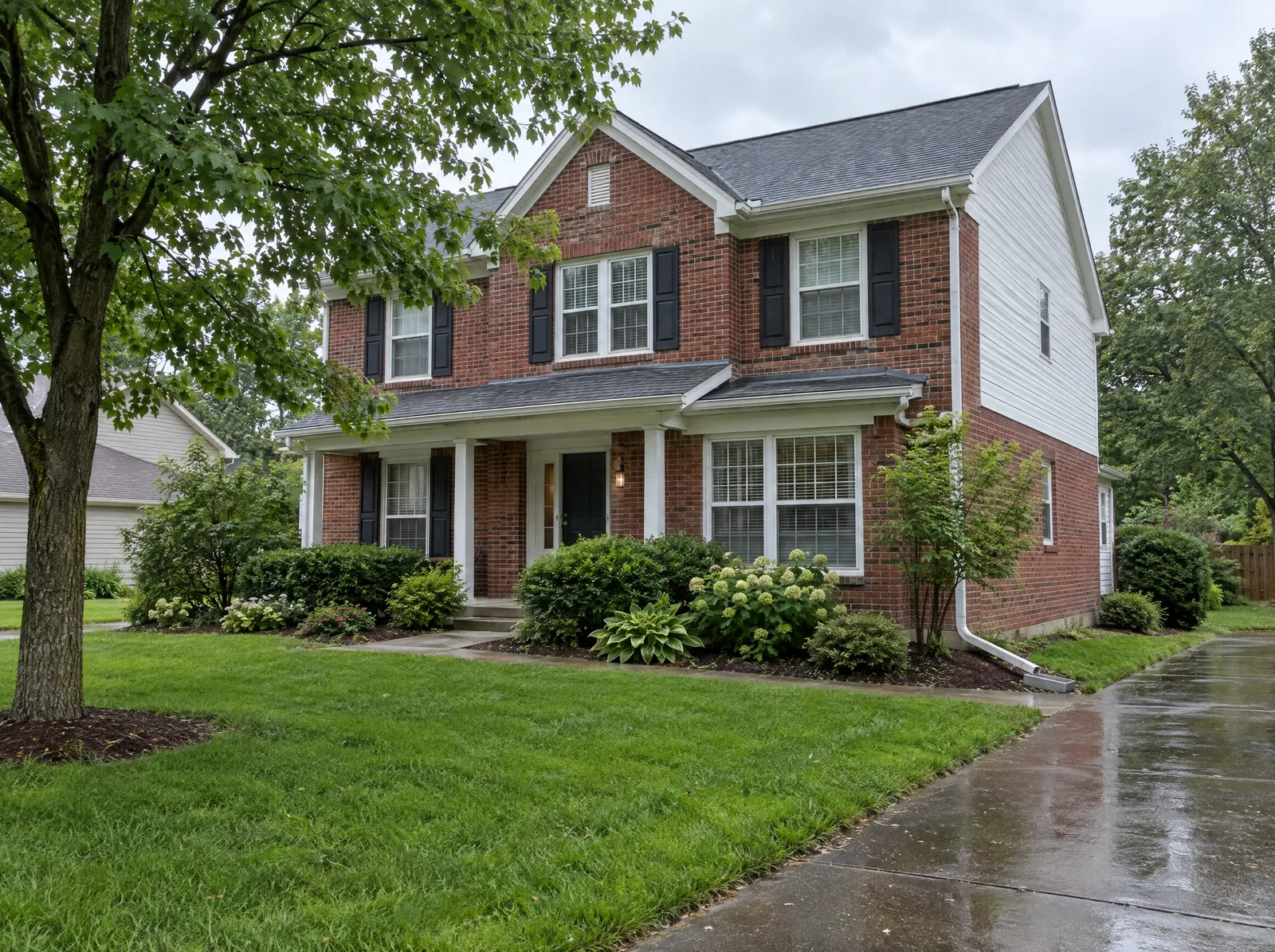
What a home inspection covers, and what it leaves out
A general home inspection is a visual look at the whole house: roof, structure, plumbing, electrical, heating and cooling. A good inspector notes water stains, visible growth and signs of past leaks. What most home inspection standards of practice exclude is mold sampling. Inspectors generally aren’t expected to take air or surface samples, open walls, move furniture or stored items, or test for anything they can’t see. When they do spot something, the usual note is “possible microbial growth, recommend further evaluation.”
So “the inspection found nothing” really means “the inspector didn’t see anything on the day, in the places they could reach.” That’s useful, and often it’s enough. It just isn’t the same as a mold test.
Why a clean report can still miss mold
Mold that matters to a buyer is usually mold that isn’t on display. It grows behind finished basement walls, under carpet pad, inside a wall next to a slow plumbing leak, or on the underside of a crawlspace subfloor. A seller’s dehumidifier, air fresheners, staged furniture and a fresh coat of paint can all keep a house looking and smelling fine for the hour an inspector is there. Season matters too: a basement that’s dry in January can be damp by July.
When a clean inspection is still worth a mold test
| What you notice | Why the inspection could miss it | What usually fits |
|---|---|---|
| A basement or crawlspace | Moisture problems hide in these spaces, and crawlspaces often get only a quick look | Moisture readings and air samples, with a look at the crawlspace |
| A finished lower level | Drywall, paneling and carpet cover the foundation walls where water shows first | Air samples in the finished space and moisture readings along exterior walls |
| Fresh paint on one wall or ceiling patch | Paint hides stains, not what caused them | An inspection focused on that area, with samples |
| A musty smell, however faint | Odor isn’t something most inspection reports rate | Air samples and a search for the source |
| A family member who is mold-sensitive | A visual inspection can’t show what’s in the dust | A dust DNA test, sometimes a mycotoxin panel |
| A recently flipped house | New drywall, flooring and paint can cover old water damage | Ask what was replaced and why, then test the lower level and bathrooms |
One of these isn’t proof of mold. It’s a reason to look past what a visual inspection can show. If the seller already had mold removed, is it safe to buy a house that had mold remediation? covers what paperwork to ask for.
When it’s reasonable to skip
If the house is on a slab or has an unfinished, dry basement, there’s no water history in the disclosure, no musty odor in closed rooms, no patchwork paint or new drywall, humidity in a normal range and nobody in the household with mold sensitivities, a separate mold test adds less. In that case the clean inspection is doing its job. Keep an eye on the same things after you move in, especially the first humid summer.
Weighing the cost
Angi reports a national average of about $671 for a mold inspection, with a typical range of $303 to $1,045. Set against the price of a house, and against what remediation can cost if hidden growth turns up after closing, that’s usually a small number. The math favors testing when one of the signs above is present. It doesn’t mean every buyer needs one. For what drives a quote up or down, see how much mold testing costs.
If you decide to test
Move quickly, because contingency windows are short and some tests take longer at the lab than others. Standard air and surface results typically come back in 24 to 48 hours. Our guide to mold inspection before buying a house covers what the inspection includes, the red flags we look for and how buyers use the results in a negotiation.
We inspect and test buildings. We don’t give legal or medical advice. Contract questions belong with your agent or a real estate attorney, and health questions with your doctor.
We're done when the lab says so.
Every remediation ends with clearance testing, and our work is backed by a complete-removal guarantee. We don't close a job on a failed result.
Talk to a specialistClean inspection, but still unsure?
Tell us the address, your contingency deadline and what's bothering you about the house. We'll tell you whether a test makes sense and which one.
- (833) 772-6653
- info@americanmoldexperts.com
- Open 7 days, 8am to 8pm