
Can mold cause a house to fail inspection?
Short answer
Not in a pass-or-fail sense, because a standard home inspection doesn't pass or fail a house. But visible mold, water stains and active leaks will be written up, which can lead to repair requests, a lower price or a buyer walking away. With FHA, VA and other government-backed loans, the appraiser may also require mold and its moisture source to be fixed before the loan closes.
Home inspections report, they don’t grade
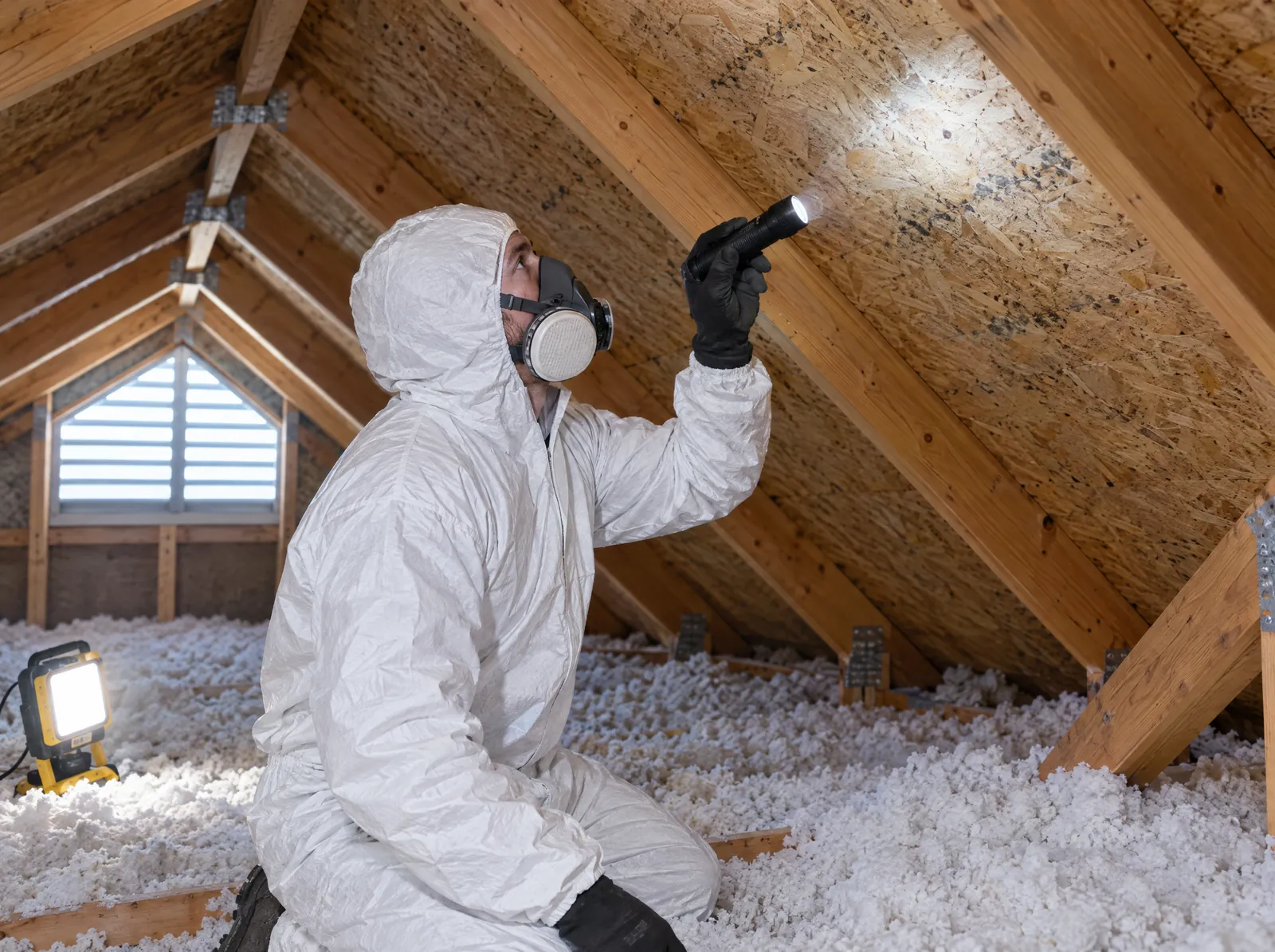
A home inspector’s job is to describe the condition of the house, not to approve it. The report lists what the inspector saw, rates some items as needing repair or further evaluation, and leaves the decisions to the buyer. There’s no failing score. Most home inspection standards of practice also don’t require mold sampling, so an inspector who sees suspect growth will usually write something like “possible microbial growth observed, recommend evaluation by a qualified professional.”
That line doesn’t end a sale on its own. What happens next depends on the contract, the buyer and the lender.
Where mold can actually hold up a sale
| Checkpoint | What mold can trigger |
|---|---|
| Buyer’s home inspection | A repair request, a price reduction or credit, or the buyer canceling within the contingency period |
| Buyer’s mold inspection | A lab-backed scope that turns a vague concern into a specific negotiation |
| Appraisal for FHA, VA or USDA loans | Required repairs before closing if the appraiser notes conditions that affect health, safety or soundness, which can include visible mold and active leaks |
| Seller’s disclosure | Questions about known past water damage or mold, depending on state rules |
Homeowners insurance can come up too. Some insurers ask about past water damage or mold when writing a new policy, and a documented, resolved problem is easier to explain than an open one. For government-backed loans, lender and program rules decide exactly what’s required. If you’re using one, ask your lender early how they handle reported mold.
What usually gets written up
- Visible growth in attics, basements, crawlspaces, bathrooms or around windows
- Water stains on ceilings and walls, especially below bathrooms and roof valleys
- High moisture meter readings on drywall, subfloor or framing
- Active leaks at plumbing, roofs, windows or the foundation
- Crawlspaces with standing water or no vapor barrier
- Bathroom fans or dryer vents that exhaust into the attic instead of outside
- A strong musty odor, or heavy use of air fresheners in closed rooms
If you’re selling
The best time to deal with mold is before the listing. Fix the moisture source first, because remediation without a repair tends to come back. Have the growth professionally removed if it’s more than a small area, and keep the paperwork: what caused it, how it was fixed, the scope of work and a clearance test report. Buyers and their inspectors respond much better to documented, resolved problems than to fresh paint in one corner of the basement. Disclosure rules vary by state, so ask your agent what you’re required to share. The answer on whether you can sell a house with mold covers your options in more detail.
If you’re buying
A mold note in the inspection report is a reason to get more information, not necessarily a reason to walk away. A dedicated inspection with sampling shows how far the problem goes and what fixing it would take, which is what you need to negotiate. Our real estate mold inspection page explains how to fit that into your contingency window and how buyers use the results. If you’re still deciding whether to test at all, see is a mold test worth it if the home inspection found nothing?
We inspect and test buildings. We don’t give legal or lending advice. Contract and disclosure questions belong with your agent or a real estate attorney, and loan requirements with your lender.
We're done when the lab says so.
Every remediation ends with clearance testing, and our work is backed by a complete-removal guarantee. We don't close a job on a failed result.
Talk to a specialistMold turned up in an inspection report?
Whether you're buying or selling, send us the report and your timeline. We'll explain what the findings mean for the building and what it would take to resolve them.
- (833) 772-6653
- info@americanmoldexperts.com
- Open 7 days, 8am to 8pm