
Does vinegar kill mold?
Short answer
Partly. White vinegar, which is about 5 percent acetic acid, kills some common household molds on hard, non-porous surfaces, and lab studies suggest it doesn't work equally well on every species. It won't reach growth inside drywall, wood or carpet, and it doesn't remove the dead mold and dust left behind. For small patches, detergent, water and thorough drying work just as well.
What vinegar can and can’t do
Vinegar is mildly acidic, and acid stresses mold cells. On glass, tile, sealed countertops, metal and similar hard surfaces, a spray of undiluted white vinegar left to sit for a while before wiping can kill many common molds. That is why it has a following as a gentler alternative to bleach.
It is also inexpensive, easy to find and less harsh to breathe than bleach, which makes it a reasonable choice for routine cleaning of shower grout, window tracks and similar spots where light surface growth shows up from time to time.
Its limits are worth knowing. Laboratory testing of household cleaners has found vinegar effective against some mold species and much less effective against others, including some Aspergillus species. You can’t tell which one you have by looking. And like any spray, vinegar works where it touches. On porous materials such as drywall paper, unfinished wood, ceiling tile and carpet backing, growth extends into the material where a surface treatment doesn’t reliably reach.
Bleach or vinegar: which is better?
It is one of the most common questions we hear, and the honest answer is that neither is the tool that solves a mold problem. Here is how they compare on the things that matter:
| White vinegar | Household bleach | |
|---|---|---|
| Kills surface mold on hard surfaces | Many species, not all | Yes |
| Works inside porous materials | Not reliably | Not reliably |
| Removes dead mold and dust | No | No |
| Adds moisture to the surface | Yes | Yes |
| Fumes and safety | Mild odor; never mix with bleach | Harsh fumes; dangerous mixed with ammonia or acids |
| Surface damage | Can etch marble, limestone and some grout | Can discolor fabrics and some finishes |
The EPA’s homeowner guidance does not recommend bleach as a routine cleanup method, and it points instead to scrubbing hard surfaces with detergent and water and drying them completely. Mixing vinegar with bleach releases chlorine gas, so never combine them. Our answers on bleach on drywall and what not to spray on mold go further on both.
Killing it isn’t the same as removing it
Dead mold is still mold. The EPA notes that dead mold may still cause allergic reactions in some people, and some molds leave behind mycotoxins that acids and household cleaners are not designed to break down. Our answer on whether bleach kills mycotoxins explains why. The goal of any cleanup is to physically remove the growth and the dust around it, then keep the surface dry.
If you want to use vinegar
- Use it only on a small patch on a hard surface. The EPA suggests homeowners can generally handle areas under about 10 square feet.
- Wear an N95 respirator, gloves and goggles.
- Spray undiluted white vinegar, let it sit, then scrub and wipe the growth away rather than just spraying and leaving it.
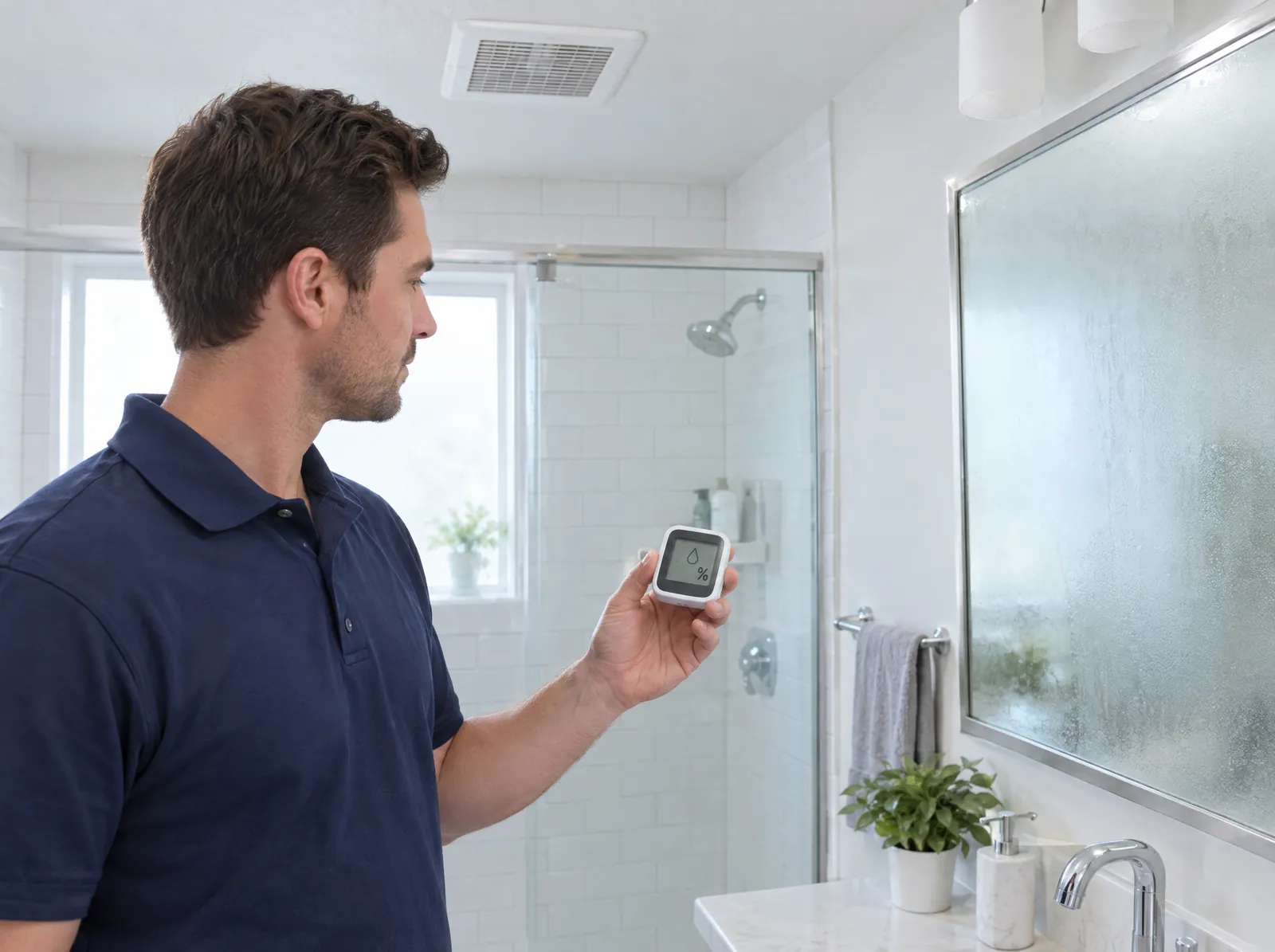
- Dry the surface completely, and fix whatever made it wet.
- Watch the spot. If it returns, the moisture problem is still there.
If the growth is on drywall, wood or carpet, covers more than a small area, or keeps coming back, stop cleaning and find out what is behind it.
We remove mold and mycotoxins from buildings. We don’t diagnose or treat medical conditions. If you or anyone in your home has symptoms, please talk with a doctor. With your permission, we’re glad to share test results with them.
We're done when the lab says so.
Every remediation ends with clearance testing, and our work is backed by a complete-removal guarantee. We don't close a job on a failed result.
Talk to a specialistVinegar didn't solve it?
If mold keeps returning after cleaning, the cause is usually moisture or growth you can't see. Tell us where it is and a specialist will talk through the next step.
- (833) 772-6653
- info@americanmoldexperts.com
- Open 7 days, 8am to 8pm