
Does homeowners insurance cover mold remediation?
Short answer
Sometimes. Homeowners insurance is more likely to cover mold remediation when the mold results from a sudden and accidental water event your policy already covers, like a burst pipe. Mold from a slow leak, long-term humidity, flooding or neglected maintenance is commonly excluded, and many policies cap or exclude mold coverage. Read your own policy and ask your agent before work begins.
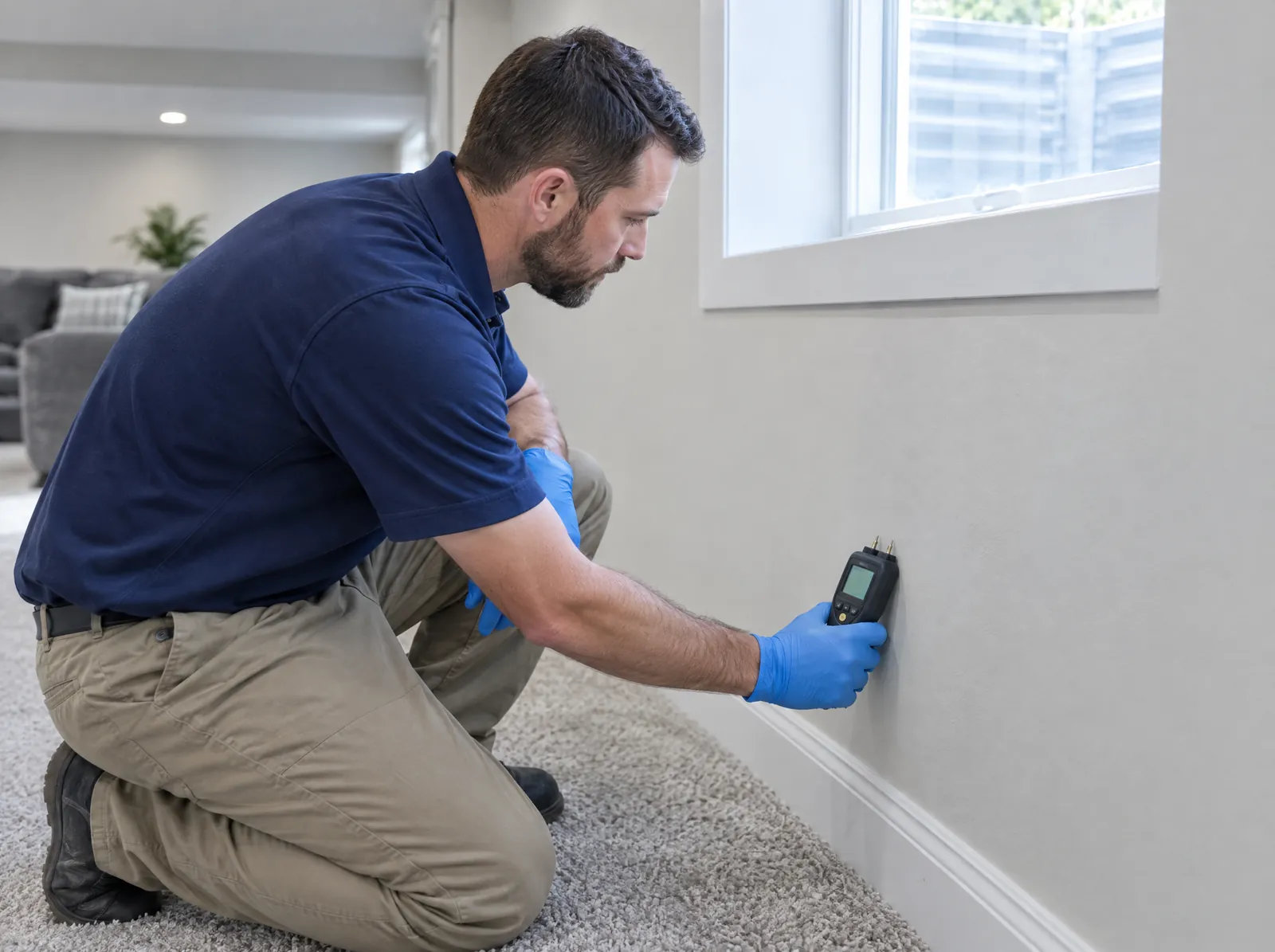
The cause decides most claims
Insurers generally don’t treat mold as its own event. They look at what caused the water, then decide whether that cause is covered. The distinction that comes up most is sudden and accidental versus gradual or preventable.
| More likely to be covered | More likely to be excluded |
|---|---|
| A supply line bursts behind a wall | A slow drip under a sink that went on for months |
| A water heater or washing machine hose fails suddenly | Condensation and humidity in a poorly ventilated bathroom or basement |
| Storm damage opens the roof and rain gets in | A roof leak that was known and not repaired |
| Water used to put out a fire | Seepage through foundation walls or groundwater |
| Surface flooding, which standard homeowners policies typically exclude |
These are general patterns, not promises. Each policy has its own wording, and two policies from the same insurer can differ. Flood damage is usually a matter for separate flood insurance, which has its own rules. If you’re in Indiana, our answer on homeowners insurance and mold in Indiana looks at the question locally.
Limits, exclusions and endorsements
Even when the cause is covered, the mold portion of a claim may not be paid in full. Look for these in your policy:
- A mold or fungi exclusion. Some policies exclude mold, often in a clause that also names wet or dry rot and bacteria.
- A sublimit. Many policies cap what they’ll pay for mold remediation at a set amount, separate from the rest of the water damage claim.
- An endorsement. Some insurers offer added mold coverage for an extra premium. If you have one, it will be listed on your declarations page.
- Duties after a loss. Policies usually require you to report damage promptly and take reasonable steps to prevent it from getting worse.
That last point matters. A leak that isn’t reported or dried can turn a covered water claim into an excluded mold claim, simply because time passed.
How to document a claim
- Stop the water, or call someone who can, and write down the date and time.
- Photograph and video the damage before anything is moved or removed.
- Call your insurer or agent to report it and ask how they handle mold.
- Keep receipts for emergency repairs, drying equipment and anything you buy.
- Keep damaged items until the adjuster says you can discard them, if it’s safe to do so.
- Get testing and a written remediation scope, and keep every lab report.
Testing before work starts shows what was growing and where, and testing afterward shows the work was completed. Some insurers pay for testing as part of a covered claim and some don’t; our answer on whether mold testing is covered by insurance covers that separately.
If your claim is limited or denied
Ask the insurer for the reason in writing and the specific policy language they relied on. If you believe the cause was sudden and accidental, your documentation is what supports that. For larger losses, some homeowners work with a public adjuster or an attorney; attorneys do bring us into legal cases involving mold and mycotoxins when testing and documentation are at issue.
Whether a claim is paid or not, the remediation still has to be done properly for the problem to stay fixed. Our mold remediation cost guide explains what drives the price so you can plan either way. We aren’t insurance advisors, so for coverage questions your agent or policy is the final word.
We're done when the lab says so.
Every remediation ends with clearance testing, and our work is backed by a complete-removal guarantee. We don't close a job on a failed result.
Talk to a specialistGet documentation your insurer can read
We test before and after and give you every lab result and a written scope. Tell us what happened and when, and we'll explain what we can document.
- (833) 772-6653
- info@americanmoldexperts.com
- Open 7 days, 8am to 8pm