
Can mold grow in cold weather?
Short answer
Yes. Cold slows mold growth but rarely stops it, and freezing temperatures generally make mold dormant rather than killing it. Indoors, winter can actually create mold: warm, humid household air meets cold windows, exterior walls and attic sheathing, and condensation keeps those surfaces wet. Mold can grow in cold weather wherever that moisture collects, so winter prevention is mostly about controlling indoor humidity and air leaks.
What cold does to mold
Most molds found in homes grow best at ordinary room temperatures. As temperatures drop, growth slows, and near freezing most species grow very little. But slow is not stopped. Some molds grow in refrigerators, and many survive freezing and simply resume when conditions improve. So a cold garage, crawlspace or attic doesn’t protect the materials in it. It only buys time.
Inside a heated house, temperature is rarely the limit at all. Moisture is. And winter has its own ways of creating it.
Why winter causes indoor mold
Warm air holds more water vapor than cold air. When warm, humid indoor air touches a cold surface, it cools, and the water condenses. That is the dew point at work, and in a Midwest winter the cold surfaces are everywhere:
| Winter trouble spot | What’s happening |
|---|---|
| Window glass, frames and sills | Condensation runs down the glass and pools on the sill |
| Corners and closets on exterior walls | Cold wall surfaces with little air movement stay damp |
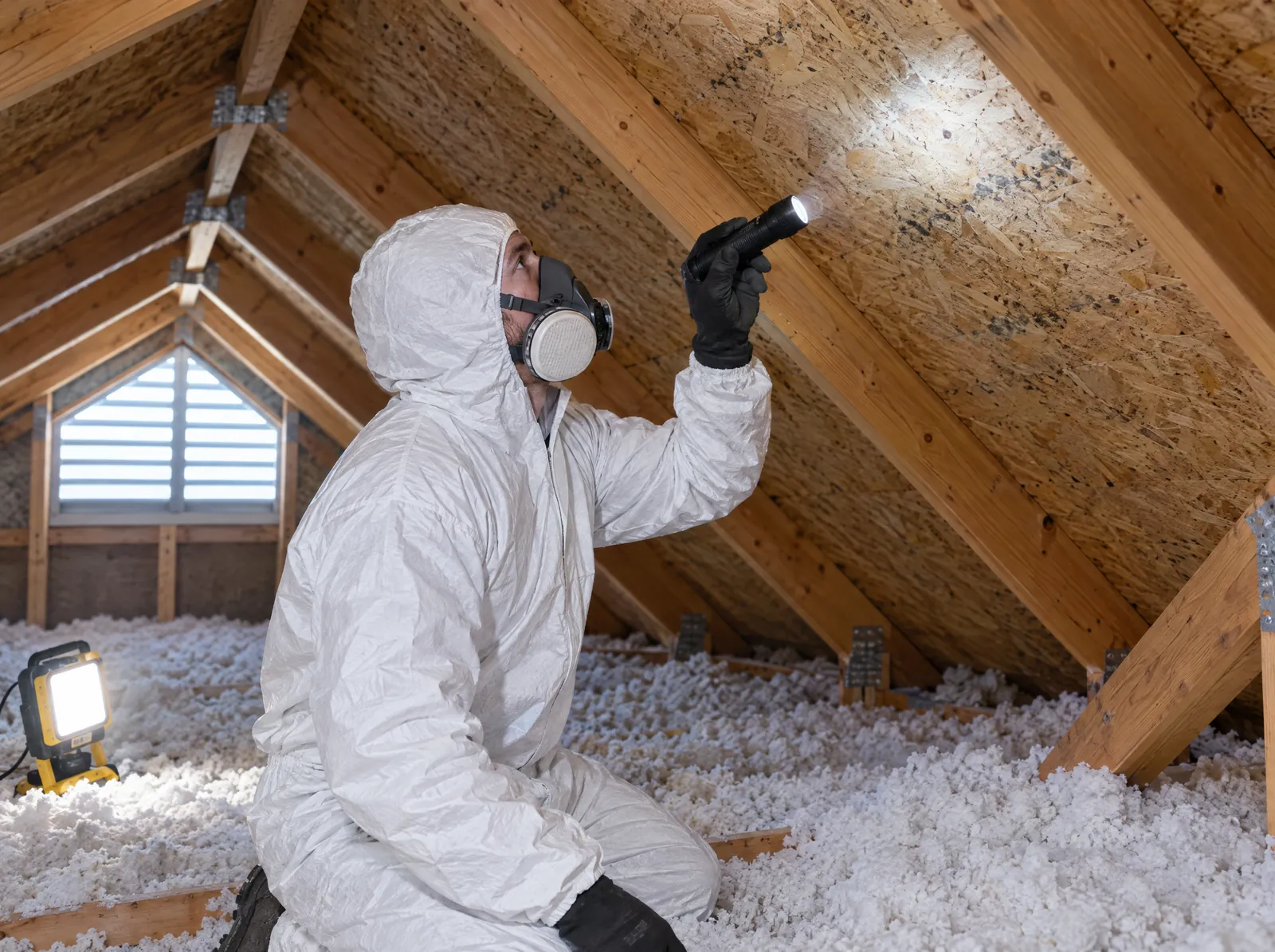
| Attic roof sheathing | Warm air leaking up from the house condenses or frosts on the underside of the roof deck |
| Behind furniture on outside walls | Blocked air keeps the wall surface colder and wetter |
| Around ice dams | Meltwater backs up under shingles and leaks into the attic or walls |
Everyday activities add the moisture: showers, cooking, drying laundry indoors, a humidifier set too high, and simply breathing in a tightly closed house. Attic sheathing that looks fine in summer can show dark staining by late winter. Our knowledge page on attic mold explains the pattern, and whether Indiana ice dams cause attic mold covers the local side.
Winter prevention that works
- Watch indoor humidity. The EPA recommends staying below 60 percent, ideally 30 to 50 percent. In very cold weather, many homes need to run toward the lower end to keep windows from sweating.
- Go easy on humidifiers. If windows are wet in the morning, the air is carrying more moisture than the house can handle.
- Run exhaust fans. Bath fans during and after showers, and the range hood while cooking, vented outdoors, not into the attic.
- Seal attic air leaks. Gaps around light fixtures, the attic hatch, plumbing stacks and chimneys let warm, moist air into the attic.
- Let air reach cold walls. Pull furniture a few inches off exterior walls and open closet doors on outside walls now and then.
- Keep the heat on in unused rooms. Rooms left very cold are where condensation and growth tend to show up first.
Mold that appears only in winter
Seasonal growth is a useful clue. Mold that shows up in cold months and fades in summer usually points to condensation and air leakage rather than a plumbing leak, which tends to cause growth all year. That makes winter mold more of a building science problem than a cleanup problem: you can wipe the sill every week, but until the humidity and cold surfaces are addressed, it comes back.
For small spots on windows or painted walls, cleaning with detergent and water and drying the surface is usually enough, paired with the steps above. Staining across an attic, a musty smell that grows through the season, or growth behind furniture that returns every year is worth an assessment. The source may be a single air leak or bath fan that is easy to correct once it is found.
The same logic applies in spring. When a house opens back up and the first humid weeks arrive, basements and crawlspaces take over as the problem areas, and the focus shifts to dehumidifying rather than to cold surfaces.
We're done when the lab says so.
Every remediation ends with clearance testing, and our work is backed by a complete-removal guarantee. We don't close a job on a failed result.
Talk to a specialistSeeing mold show up every winter?
Tell us where it appears and when. A specialist will help you work out whether it's condensation, an air leak or something hidden, and what would settle the question.
- (833) 772-6653
- info@americanmoldexperts.com
- Open 7 days, 8am to 8pm