
Is My Home Making Me Sick? Mold, Mycotoxins, and Moisture in Southwest Florida Homes
It is one of the most common searches we see: is my home making me sick? Usually it starts with a musty smell that will not go away, a room nobody wants to sleep in, or a home that just feels “off” — especially after a storm, a leak, or a summer with the house closed up.
Here is our honest starting point, before anything else on this page: American Mold Experts SWFL (AME) tests buildings, not people. We cannot tell you whether your home is affecting your health, and no home test can. Health questions belong with your doctor. What we can do — and what this page explains — is find out whether your home has a mold, mycotoxin, or moisture problem, document it properly, and fix the building problem if one exists.
Call AME SWFL: (239) 539-3997
Online: ameswfl.com
What “Sick Home” Complaints Usually Trace To
When a home feels wrong, the cause is almost never mysterious. In the homes we assess across Naples, Estero, Bonita Springs, Fort Myers, Cape Coral, and Marco Island, it usually traces to one or more of these building problems:
- Hidden mold growth — inside wall cavities, under flooring, behind cabinets, or above ceilings, fed by a leak or by humidity that never gets controlled. You may smell it long before you ever see it.
- Mycotoxins in dust and contents — some molds leave behind compounds called mycotoxins that can settle into dust, carpets, upholstered furniture, and clothing, and stay there after the visible growth is gone. That is one reason a home can be “cleaned” and still not feel right.
- Uncontrolled moisture — mold needs moisture more than it needs anything else. A slow plumbing leak, a failed shower pan, a sweating duct, or indoor humidity that sits high for weeks will grow a problem eventually.
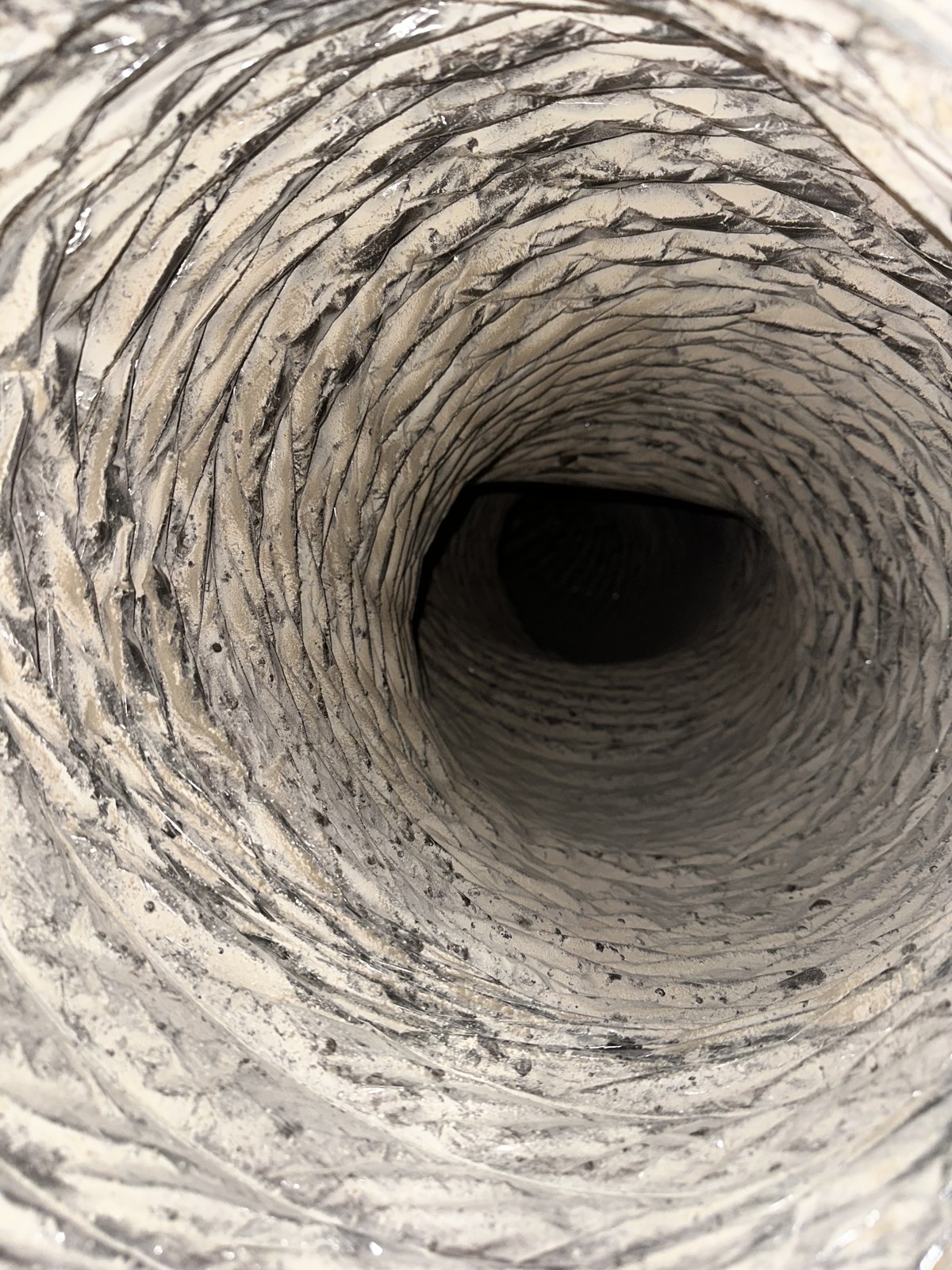
- HVAC and duct contamination — your air handler and ductwork move air to every room. If mold or contaminated dust is in the system, the whole home shares it every time the AC runs — which, in Southwest Florida, is most of the year.
- Contaminated contents — furniture, rugs, mattresses, and stored belongings that sat in a moldy or humid home can hold onto contamination and reintroduce it after the structure is fixed.
None of these can be confirmed from a photograph or a smell alone. They are found by inspecting, measuring, and — where warranted — sampling.
Why Southwest Florida Homes Are Prone to This
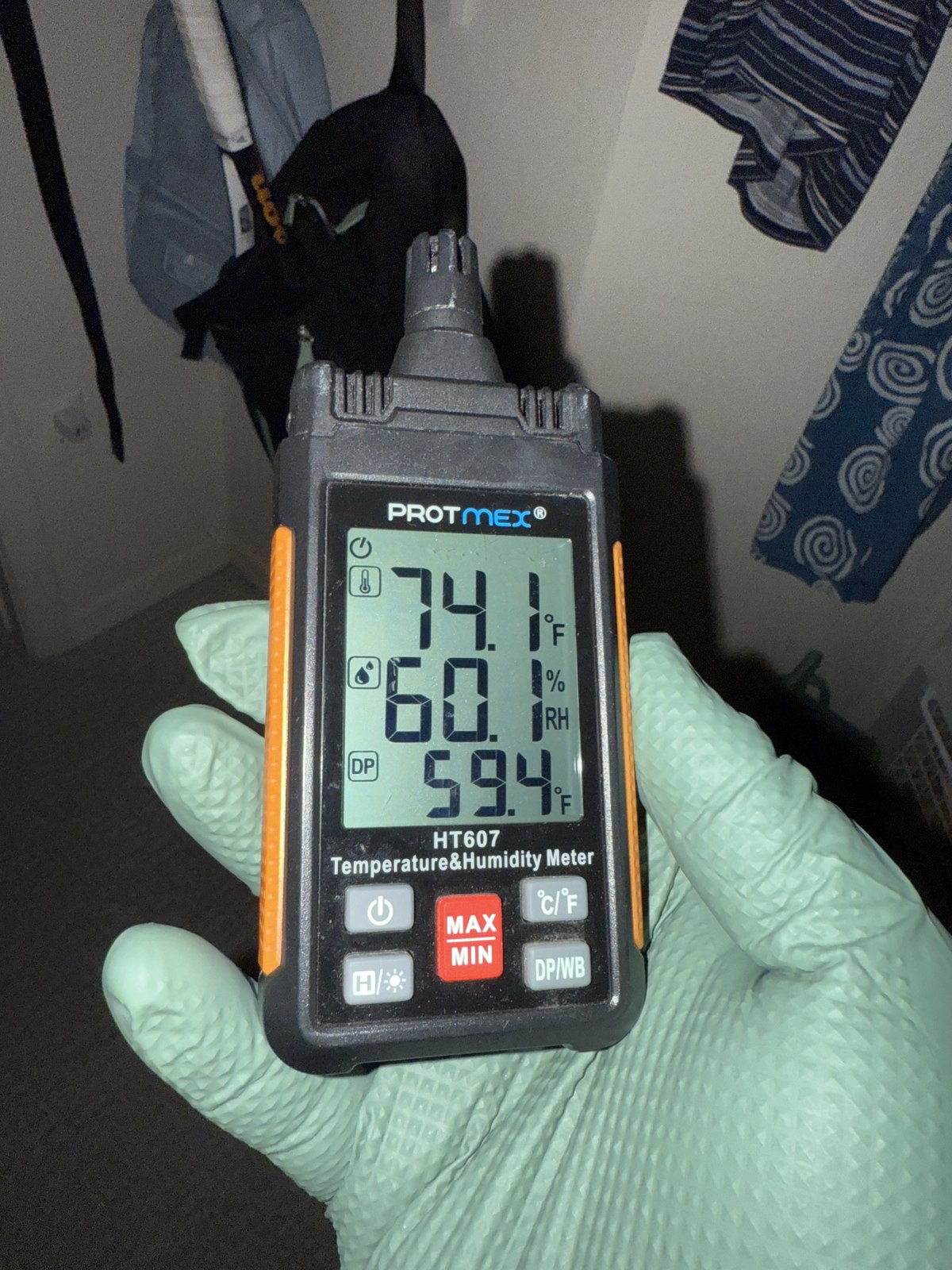
Our climate does half of mold’s work for it. Summer humidity, daily rainy-season downpours, and storm water intrusion all push moisture into homes, and an air conditioner that fails, is set too high, or gets switched off in a closed seasonal home lets indoor humidity climb fast. We recommend keeping indoor humidity at 30–50% RH; above 50% is elevated RH, and 55% is the red line.
The pattern we see most often: a small, unnoticed water event — a roof leak over one summer, a condensate drain that clogged in July, a supply line that wept behind a vanity — followed months later by odor, staining, or a room that feels wrong. By the time someone searches “is my home making me sick,” the building problem has usually been developing quietly for a while.
How AME Investigates a Sick-Home Complaint
Step 1 — Assessment and moisture readings.
We inspect the whole home, not just the spot you are worried about, and take moisture readings in walls, floors, and ceilings to map where water has been. Moisture mapping tells us where to look; it does not by itself confirm mold.
Step 2 — Sampling, where it is warranted.
Where the inspection calls for it, we take mold samples and, when the history suggests it, mycotoxin samples from dust, surfaces, or the HVAC system. Samples go to a lab — labs report results, and AME makes the findings from those results together with what we found in the home. There is no pass/fail in this work, and we will not dress a lab report up as one.
Step 3 — Findings and a written plan.
You get our findings in plain language: what was found, where, and what it means for the building — plus full home recommendations and a written scope and price before any work begins. If the findings say your home does not have a mold problem, we will tell you that too.
Florida’s Rule — and Why It Protects You
Florida licenses mold assessors and mold remediators separately, and the law is built around one protection: the company that tests your home is not supposed to be the company that profits from remediating it on the same job. AME SWFL holds both Florida licenses — Mold Assessor (MRSA) and Mold Remediator (MRSR4824) — and on any given project we take one role: we assess and test, or we remediate. The other side is handled by an independent licensee, and remediation is verified by independent clearance testing. Whoever you hire, that separation is what keeps the diagnosis honest.
What Fixing It Usually Involves
If a problem is confirmed, the fix follows the findings — not a standard package:
- Remediation of affected areas: containment, removal of material that cannot be cleaned, and cleaning of what can — always starting with fixing the moisture source.
- Mycotoxin removal and verification where mycotoxins were found: detailed HEPA and fine-particle cleaning of surfaces, contents, and HVAC components, followed by re-sampling so before-and-after lab results can be compared.
- Contents cleaning and restoration — our specialty. Instead of treating your furniture, clothing, and keepsakes as a total loss, we clean contents using our non-toxic plant-based enzymatic treatment, saving what can safely be saved and assessing the rest item by item.
- Duct and HVAC cleaning where the system is part of the problem, including detailed cleaning of ducts and the air handler.
- Moisture control — repairs and, where the home needs it, dehumidification — so the problem has no reason to return. That work is its own service: see moisture management for how AME measures moisture, corrects the sources, and keeps the home managed afterward.
Our remediation work is backed by a warranty in writing, including a 1-year warranty on the work performed.
Start with your own town: Naples is our home market — mold testing in Naples and mold remediation in Naples are where most of our Southwest Florida work begins — and mold testing in Fort Myers and mold remediation in Fort Myers are our most-requested Fort Myers pages. We also provide mold testing in Bonita Springs and mold remediation in Estero.
Who You Are Hiring
AME is led by Scott Allen Briggs, President and Owner, and Leigh Ann Briggs, Partner and Owner. Scott is a Florida Licensed Mold Assessor (MRSA) and Florida Licensed Mold Remediator, License MRSR4824. We are a family-owned company with 4,500+ jobs completed, known as the Gold Standard in mold removal in Southwest Florida — and known, just as much, for telling families the truth about what a test can and cannot say.
Read what Southwest Florida clients have said about working with us: AME SWFL Google reviews.
Why We Teach This Instead of Selling It
Scott Allen Briggs has lived through mold toxicity himself, and that is why this page reads the way it does. He joined AME in 2020, rose to Lead Remediation Tech within a few months, and built AME’s contents-cleaning specialty on a simple conviction: a family facing mold should not have to lose its belongings on top of everything else. The lessons on this page are the ones he teaches every client — and the ones he has been quietly writing down for homeowners. His standing rule says it plainly: “Common should never be mistaken as safe.”
Frequently Asked Questions — Sick Homes and Mold in Southwest Florida
Can you tell me if mold in my home is making me sick?
No — and be careful with any company that says it can. We test buildings, not people; a home test measures what is in the home’s air, dust, and materials, not what is happening in your body. Take health questions to your doctor. What we can tell you, with lab documentation, is whether your home has a mold, mycotoxin, or moisture problem, how extensive it is, and what fixing the building involves.
I can’t see any mold, but my home smells musty and feels “off.” What should I do?
That pattern usually means a hidden problem — inside a wall, under flooring, in the attic, or in the AC system. The right first step is an assessment with moisture readings, and sampling where the inspection warrants it. A flashlight in a closet or attic only shows where to look; it cannot confirm mold.
What is mycotoxin testing, and do I need it?
Mycotoxins are compounds some molds leave behind in dust and materials. Testing samples dust or surfaces and a lab reports what is present and in what amounts. It is most useful when a home has a history of mold, when a prior cleanup did not resolve the problem, or when contents are a concern. Whether your home needs it is a findings question — we recommend it where the inspection and history support it, not as a default add-on.
How much does a sick-home assessment cost in Southwest Florida?
A consultation and our interpretation of your results cost nothing; assessment and lab testing are quoted separately, based on the size of the home and how much sampling the inspection calls for. You will know the price before any sampling is done, and any remediation is quoted as a written scope before work begins. Call (239) 539-3997 to start with a consultation.
If my home needs remediation, who verifies the work in Florida?
An independent party. Under Florida’s structure, the assessor and the remediator on a project are separate: AME holds both licenses and takes one role on your project, and remediation is verified by independent clearance testing — re-inspection and re-sampling, with the lab reporting the results. That independence is deliberate, and it protects you.
Will I have to throw away my furniture and belongings?
In many cases, no. Contents cleaning and restoration are AME’s specialty: we clean belongings with our enzymatic treatment and save what can safely be saved, going through questionable items with you one by one. Some heavily affected porous items cannot be saved, and we will be straight with you about which those are instead of declaring everything a loss.
What if I find mold or water damage after hours?
For a true emergency — active water intrusion, a burst pipe, flooding — call (239) 539-3997 any time: in Southwest Florida we’re open 24 hours, emergency calls are answered live, and we respond to true emergencies. If water is actively flowing, shut it off at the main valve if you can do so safely, and keep clear of any area where water is near electrical outlets or the panel. Non-emergency calls are welcome any time too — if we miss you, leave a message and we will get back to you.
Is the treatment safe for my air and ducts?
Yes. The enzymatic treatment AME uses is non-toxic and plant-based, made for virtually all materials and surfaces — and it is safe for the air system, including ductwork, coils, and the air handler, which is why contamination inside the HVAC system itself can be treated, not just worked around. It is also safe for homes with people and pets. During the work itself, occupants and pets stay out of the remediation area until AME releases the home.
What does the treatment remove?
The enzymatic treatment works on mold, mycotoxins, spores, VOCs, and bacteria — including gram-negative bacteria — and it is tested and proven. It can be fogged to treat the air itself, applied to surfaces, and used on contents and personal belongings — the things most traditional companies would tell you to throw away. That is the heart of AME’s contents cleaning: fine-particle cleaning with an enzymatic treatment, built for sensitive homes and the people in them.
Doesn’t an air scrubber take care of the mycotoxins?
Not by itself. Air scrubbing and HEPA filtration capture particles from the air while the machines run, and AME uses them — but they do not clean mycotoxins off surfaces, dust, and belongings. Worse, the agitation can strip mycotoxins off the spores and put them back into the air. If fine-particle cleaning with a proven treatment isn’t done, the mycotoxins will most certainly still be left behind. That is why AME’s process pairs containment and HEPA filtration with fine-particle cleaning and enzymatic treatment of surfaces and contents — and then verifies.
Will you check the rest of my home, or just the damaged area?
The whole home. AME looks at a home as a whole rather than as sections of water damage, because the part you can’t see — bacteria, spores, mycotoxins — doesn’t stay in one room. And honestly, the area we were called for is not always the worst one: there may very well be other parts of the home that are worse than the problem we are there for, including areas an insurance claim may not cover. We would rather show you the full picture and let you decide than fix one section and leave a worse one hidden.
Start With the Building
If your home smells wrong, feels wrong, or has a water history you cannot account for, the useful question is a building question — and it has a documented answer. Get the assessment, read the lab results with us, and decide from evidence.
American Mold Experts SWFL
Call: (239) 539-3997
Web: ameswfl.com
Reviews: Read or leave a Google review
Tell us what's going on
A mold specialist will call you back.
Not sure yet? Try the free AI Mold Risk Check