
Can mold in my house make me sick?
Short answer
It can for some people. The CDC and EPA say mold can cause allergic and respiratory reactions, and that people with allergies, asthma or weakened immune systems are more likely to be affected. Many people have no reaction at all. Only a doctor can evaluate your own situation. What you can do right away is find out what's in the house and fix the moisture behind it.
What the public health agencies say
The CDC and the EPA both treat indoor mold as a real concern, and both are careful about how they describe it. In general terms, they say that mold can cause allergic and respiratory reactions in some people, that people with allergies, asthma or weakened immune systems are at greater risk, and that reactions vary widely from one person to the next. Some people in a moldy house notice nothing at all.
The agencies also agree on the practical part: any mold growing indoors should be removed and the moisture behind it fixed, whatever kind of mold it is. The CDC doesn’t recommend identifying the species before acting, because the response is the same either way.
Why this is a question for your doctor
Whether mold is affecting you personally isn’t something a website, a test kit or a mold company can answer. It depends on your health history, what you’re experiencing and what else could explain it, and sorting that out is a doctor’s job. If you’re concerned, tell your doctor about the house: any water damage, musty smells, visible growth and how long you’ve lived there. That context helps them decide what, if anything, to look into.
Some families end up working with doctors who focus on mold-related illness. Either way, we stay on the building side. Our page on working with your doctor on a moldy home explains how the two sides can share information without anyone stepping outside their role.
What you can do about the home
While the medical side is being sorted out, the house is something you can act on directly. None of these steps require a diagnosis:
- Look for the water. Mold needs moisture. Check under sinks, around windows, in the basement and attic, and anywhere that’s had a leak.
- Don’t disturb visible growth. Scrubbing or sanding it can send particles into the air. Close the door to the area if you can.
- Measure humidity. An inexpensive hygrometer shows whether a room or basement is running damp. See what humidity level prevents mold.
- Stop active leaks today. Wet materials that dry within a day or two are far less likely to grow mold.
- Write down the history. Past floods, roof repairs, plumbing leaks and rooms that smell musty all help an inspector later.
When testing makes sense
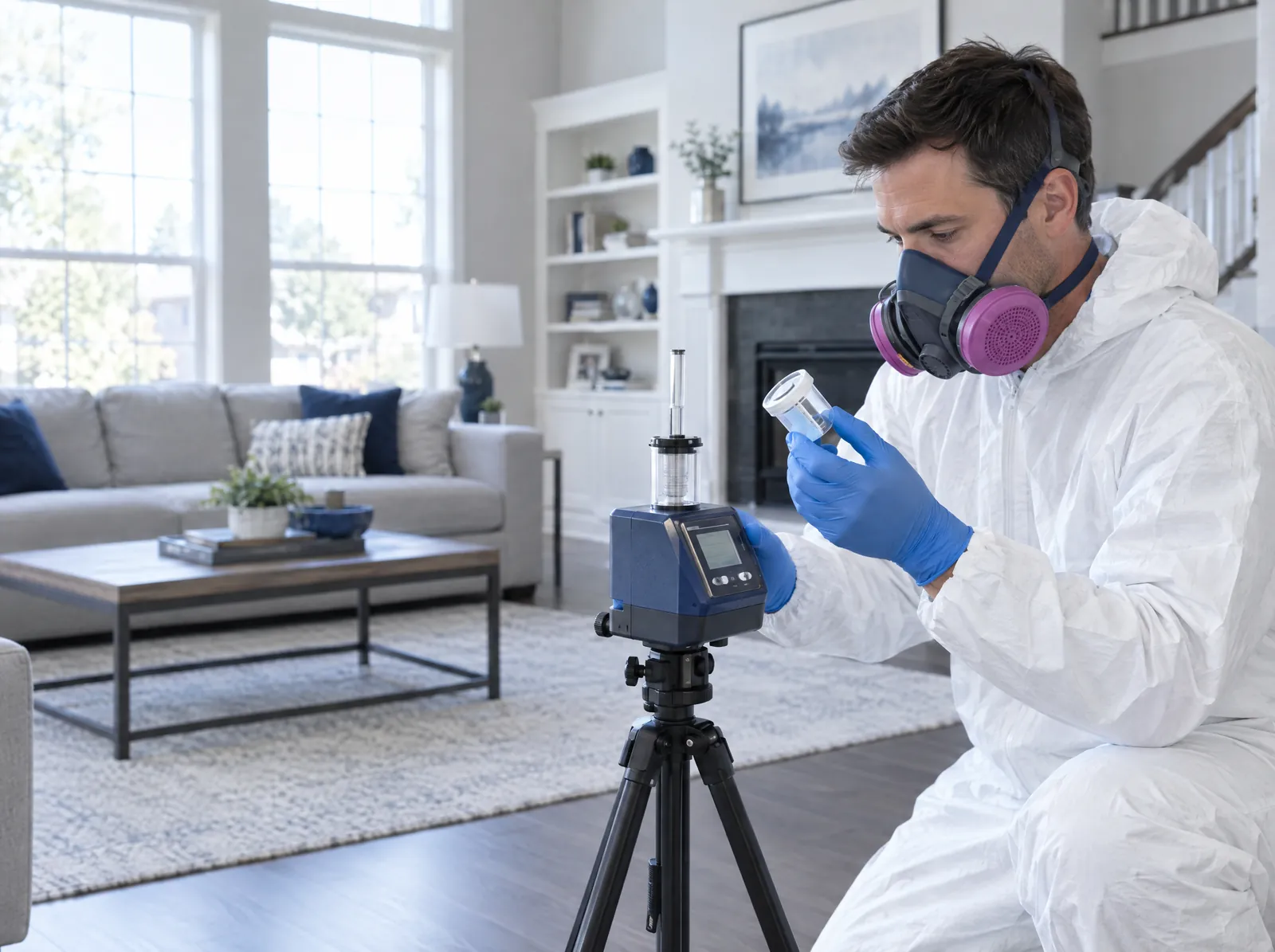
If you can see mold and know where the water came from, you may not need a test to know it has to be fixed. Testing earns its place when you smell mold but can’t find it, when you want to know whether it has spread through dust and the HVAC system, or when a doctor has asked for specific results. A proper home assessment pairs lab testing with a moisture inspection, so you learn both what’s there and why. Our answer on when you should test for mold walks through the common situations.
If your doctor wants to see results from the house, ask which tests they’d like before anyone collects samples. That one step saves a lot of repeat testing.
We remove mold and mycotoxins from buildings. We don’t diagnose or treat medical conditions, and nothing on this page is medical advice. If you have symptoms or health concerns, please talk with a doctor. With your permission, we’re glad to share test results and our plan with them.
We're done when the lab says so.
Every remediation ends with clearance testing, and our work is backed by a complete-removal guarantee. We don't close a job on a failed result.
Talk to a specialistFind out what's in the house
Tell us what you've noticed and what your doctor has said, if you've seen one. A specialist will call you back to talk about testing.
- (833) 772-6653
- info@americanmoldexperts.com
- Open 7 days, 8am to 8pm