
How do I get my landlord to fix mold?
Short answer
Start with a written request. Document the mold with dated photos, send your landlord or property manager a written notice that asks for the source to be found and fixed, and keep copies. If nothing happens, follow up in writing, then contact your local code enforcement office or health department. A tenant attorney or legal aid office can explain your options, because tenant laws vary by state and city.
This is general information, not legal advice. Landlord and tenant rules are set by states and often by cities and counties, and they change. Treat the steps below as a practical order of operations, and check the rules where you live before taking any step that involves rent, deposits or your lease. Our broader page on mold in rental homes covers documenting mold and finding your local rules in more depth.
Step 1: Make the problem easy to understand
Landlords respond faster to a clear, specific report than to a general complaint. Before you write, gather dated photos, a note of where the mold is and roughly how large an area it covers, how long you’ve noticed it, and any water source you know about, such as a dripping pipe, a leaking window or a ceiling stain after rain. If you have a hygrometer, include a few readings.
Step 2: Put the request in writing
A phone call or a hallway conversation is easy to forget. A written request creates a record, and in many places written notice is what starts a landlord’s legal duty to act. A short notice usually covers:
- The address and unit, and the date.
- Where the mold is and what you’ve observed, with photos attached.
- Any water source you’ve noticed.
- A request that the moisture source be found and fixed and the area properly cleaned, not just painted over.
- A request for a date when someone will come to look.
Send it the way your lease says notices should be sent, and also by email or tenant portal so you have a copy. Keep it calm and factual. The goal is to get the work done.
Step 3: Follow up, then go to the local authorities
If you don’t hear back within a reasonable time, send a written follow-up that refers to your first notice and its date. Some state laws say how long a landlord has to respond to a repair request, so it’s worth checking yours.
If the follow-up doesn’t work, contact your city or county code enforcement office or your local health department. In many areas they handle housing complaints and can inspect the unit for leaks, water damage and other habitability problems. Not every office handles indoor mold directly, so ask how they deal with moisture and water damage complaints. An inspector’s report carries weight that a tenant’s description may not.
Step 4: Get advice before you escalate further
Withholding rent, paying for repairs and deducting the cost, breaking a lease or moving out early are allowed in some places and under specific conditions, and getting them wrong can put you at risk of eviction or losing your deposit. Talk with a tenant attorney or a legal aid office first. Many areas also have tenant unions or housing counseling agencies that can point you in the right direction. If you rent in Indiana, see can tenants in Indiana break a lease for mold?
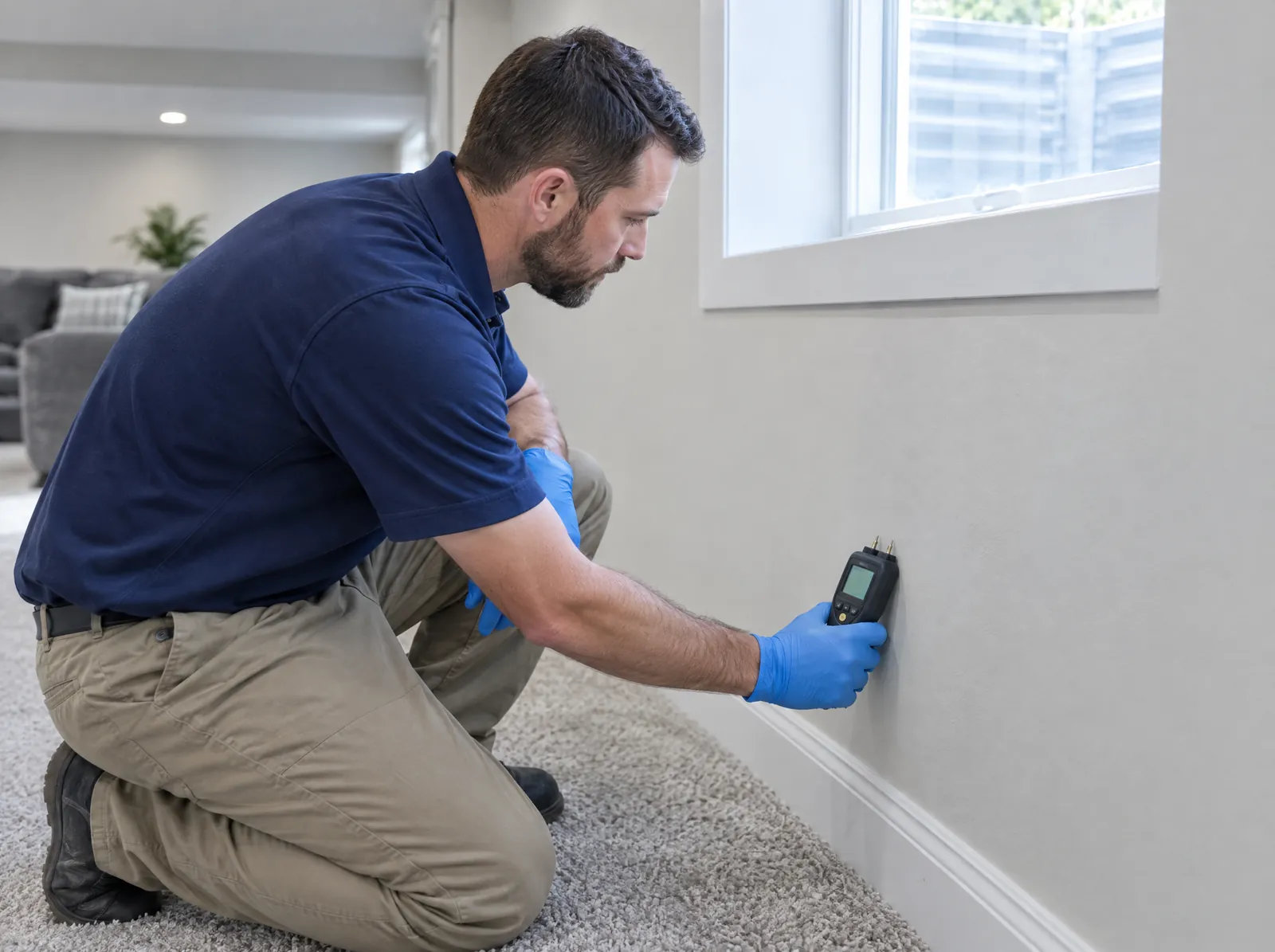
An independent mold inspection and lab report can also help, because it gives both sides the same facts about what’s present and where. Check your lease for rules about access or notice before you schedule one.
If someone in your household is sick
Keep the medical side with your doctor, and mention it in your written notice only in general terms if you choose to. If your doctor advises you to stay elsewhere while the problem is fixed, the home-side questions in do I need to leave my house if I have mold illness? may help, and a tenant attorney can explain what that means for your lease.
This page is general information, not legal advice. Tenant and landlord rules vary by state and city, so please check your local rules or talk with a tenant attorney or legal aid office. We remove mold and mycotoxins from buildings. We don’t diagnose or treat medical conditions, and anyone with symptoms should work with a doctor. With your permission, we’re glad to share test results with them.
We're done when the lab says so.
Every remediation ends with clearance testing, and our work is backed by a complete-removal guarantee. We don't close a job on a failed result.
Talk to a specialistNeed a written record of the problem?
An independent inspection and lab report can give you and your landlord the same facts. Tell us about the unit and a specialist will call you back.
- (833) 772-6653
- info@americanmoldexperts.com
- Open 7 days, 8am to 8pm