
Do Indiana sellers have to disclose mold?
Short answer
Indiana sellers generally complete a residential disclosure form that asks about known problems with the property's condition, and a known mold or water problem is the kind of issue that form is meant to surface. Exactly what must be disclosed, and what counts as known, is a legal question. Confirm the details with your real estate agent or an attorney, and test if you have doubts.
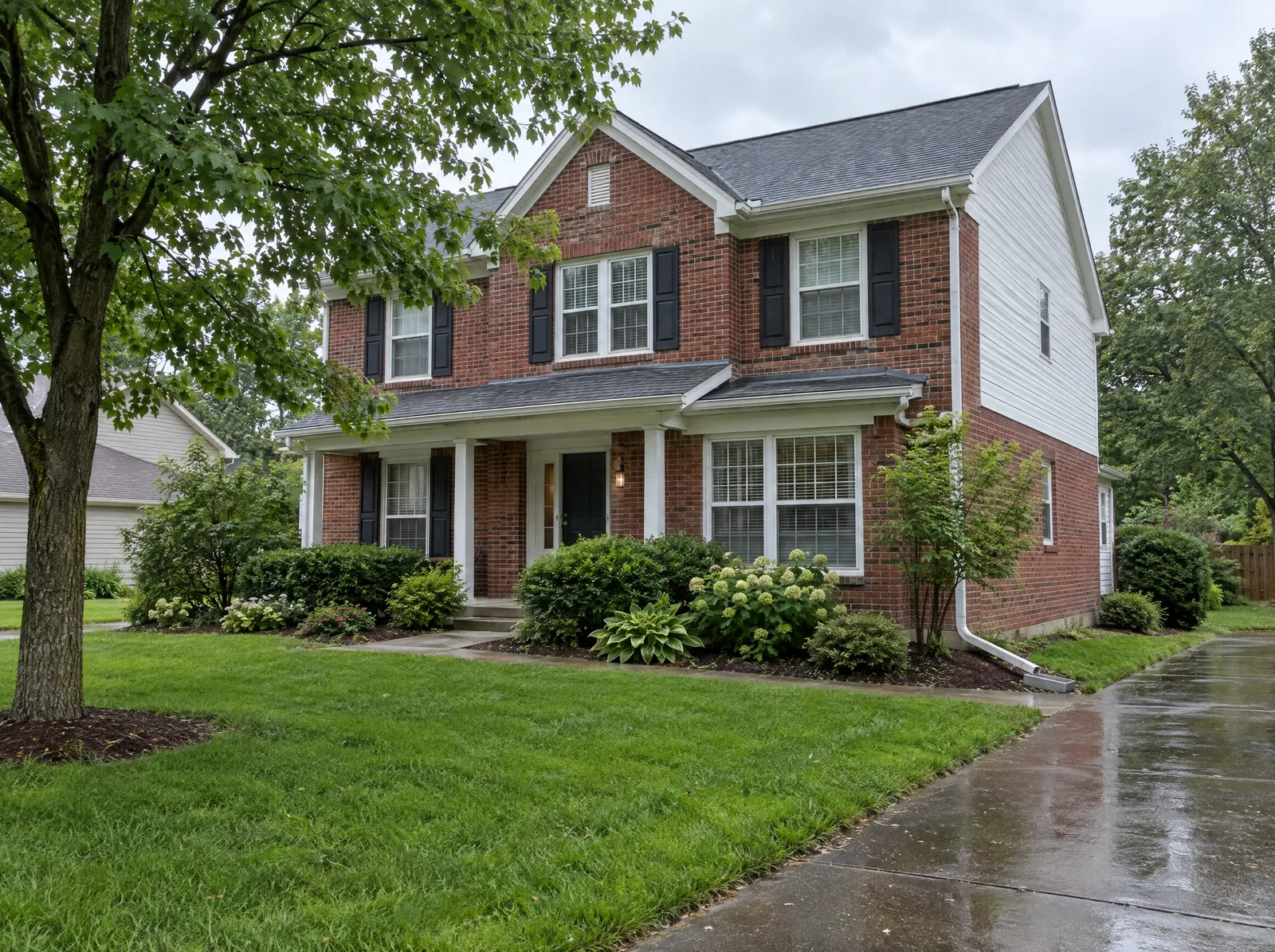
The disclosure form is about what the seller knows
Indiana uses a residential seller’s disclosure form for many home sales. The seller answers questions about the condition of the property as they know it. That word, known, carries a lot of weight. The form asks for the seller’s knowledge. It isn’t an inspection, and a seller filling it out isn’t expected to open walls or hire a lab.
Which items the form lists, which sales are exempt, and what happens when something is left off are questions for your agent or a real estate attorney. We work on houses, not contracts, and the rules can change. What we can tell you is how mold shows up in Indiana homes, and why a disclosure form alone rarely settles the question.
Why an honest seller can miss mold
In this part of the country, mold tends to grow where people don’t look. The back side of finished basement drywall against a damp foundation wall. Crawlspace joists nobody has crawled to in years. The underside of an attic roof deck after a few winters of bathroom fans venting into the attic. A seller can live in the house for a decade without seeing any of it.
There are also gray areas. A basement that took on water once, was dried out and never smelled again. A spot that was bleached and painted years ago. Whether those belong on the form is exactly the kind of question to put to an agent or attorney, not a search engine.
If you’re buying
Read the disclosure closely and treat any mention of water as a flag: past leaks, a sump pump, basement seepage, roof repairs or flooding. Then look for signs the form doesn’t mention, such as a musty smell, a dehumidifier running full-time, fresh paint on one basement wall, or new drywall in a single ceiling patch.
Your inspection period is the time to test. A standard home inspection is visual and usually excludes mold sampling. Air and dust samples show whether mold is growing out of sight, and lab results come back in 24 to 48 hours, which fits most inspection windows. Our page on mold inspections for Indiana home buyers covers timing and what the report includes.
If you’re selling
Disclosing a known problem is generally the safer path, and a fixed problem with paperwork is far easier to explain than a surprise in a buyer’s inspection. If you know or suspect there’s mold, consider testing before you list. When remediation is needed, keep the scope, the invoice and, most important, the independent clearance report. Buyers and their agents tend to accept a documented, verified fix. They’re wary of a fresh coat of paint.
If a buyer’s inspection has already found something, see whether mold can make a house fail inspection for how these situations usually play out.
What a test adds that a form can’t
A disclosure tells you what one person knew. A lab report tells both sides what’s in the house right now. It moves the conversation from suspicion to specifics: where the mold is, how much, what caused it, and what fixing it involves. That’s useful to buyers, sellers and the agents between them, whatever the form says. If you’re buying, see how to fit a mold test into an Indiana inspection period.
This page is general information, not legal advice. For questions about disclosure duties or your purchase agreement, talk with your real estate agent or an Indiana real estate attorney.
We're done when the lab says so.
Every remediation ends with clearance testing, and our work is backed by a complete-removal guarantee. We don't close a job on a failed result.
Talk to a specialistBuying or selling with a mold question?
A lab report gives both sides the same facts. Tell us your deadline, and a specialist from our Avon office will call you back to plan the testing.
- (833) 772-6653
- info@americanmoldexperts.com
- Open 7 days, 8am to 8pm