
Southwest Florida mycotoxin specialists
Mycotoxin remediation in Southwest Florida
Florida humidity, storms and closed-up homes leave toxins behind. We remove them, and an independent assessor confirms it.
What is mycotoxin remediation in Florida?
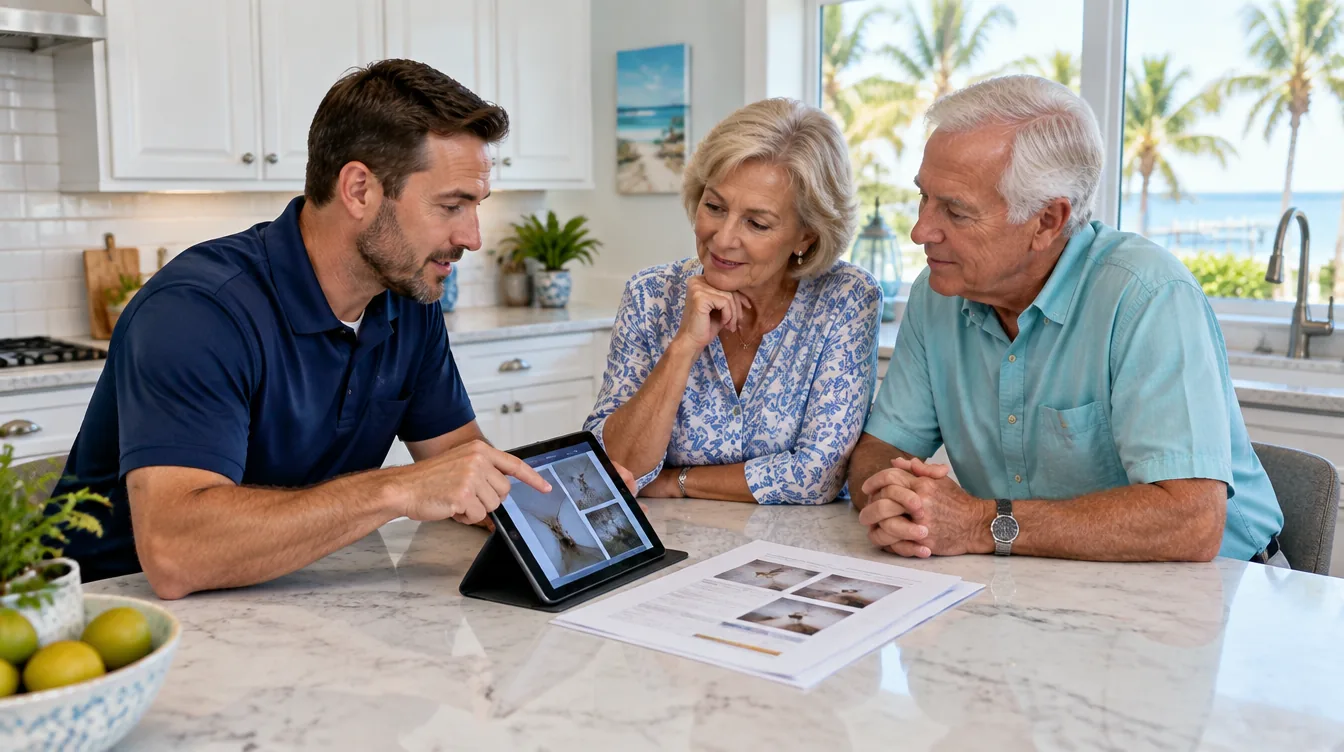
Mycotoxin remediation in Florida removes the toxic compounds some molds leave in a home, not only the mold itself. In Southwest Florida that usually means correcting humidity or storm damage, containing the work area, removing contaminated materials, breaking down the remaining toxins and cleaning the AC system. On Florida projects, an independent licensed mold assessor samples the home before the work, including mycotoxin panels, and runs the clearance test after it.
Why mycotoxins build up in Southwest Florida homes
A Southwest Florida house is sealed and air conditioned for most of the year. That keeps the heat out, but it also means the same indoor air, and the same settled dust, gets pulled through the air handler and pushed back into every room, day after day. Mycotoxins travel on that dust and on mold fragments far smaller than spores. Add a slow leak behind a vanity, a sweating AC closet or water from a storm, and toxins can collect in a home long after the visible mold is gone.
Sound familiar?
- You feel better when you travel up north and worse when you come back.
- The house was cleaned up after the storm, but nobody checked for toxins.
- Your doctor has asked whether your home has been tested for mycotoxins.
- The AC closet smells musty even with a new filter in it.
We do it differently.
| A typical Florida mold job | AME mycotoxin remediation | |
|---|---|---|
| Goal | Kill the visible mold | Remove the mold and break down its toxins |
| Testing | Spore counts, if anything | Independent licensed assessor, mycotoxin panels included |
| Treatment | Bleach, biocides or fogging | Plant-based enzymes and HEPA cleaning |
| AC system | A new filter | Air handler, coil, drain pan and ducts assessed and cleaned |
| Humidity | Left to the homeowner | The moisture source corrected before cleaning starts |

Why families trust us with their homes
-
Family-owned since 2008
A multigenerational family business. Not a franchise, not a private-equity rollup.
-
Trained and certified
Our team holds IICRC, CMR, CRMI and CCMI credentials in mold remediation and inspection.
-
Called on as experts
Attorneys bring us into legal cases involving mold and mycotoxins.
-
Documentation at every step
Photos, moisture logs and lab reports you can hand to your insurer or FEMA.
- IICRC Certified Firm
- CMR
- CRMI
- CCMI
- BBB A+ Accredited
- NAMRI
- IAQA
- NORMI
- AMMA
- PMII
The AME Clearance Method
How we remove mycotoxins from Florida homes
The same seven steps on every Southwest Florida mycotoxin project. Testing and clearance sit with an independent assessor, so the result is graded by someone who didn't do the work.
Talk to a specialist-
Independent assessment
A licensed Florida mold assessor, independent of us, inspects the home and samples air, settled dust and surfaces, including a mycotoxin panel, then writes the scope.
-
Find the Florida moisture source
Roof and window leaks, plumbing, a clogged condensate line, storm damage or indoor humidity that never came down. It gets corrected before any cleaning starts.
-
Contain the work area
Sealed plastic barriers and negative air pressure keep contaminated dust out of the rooms you are still living in.
-
Remove what can't be saved
Drywall, baseboards, insulation, carpet and pad that the scope calls out are cut out and bagged inside containment. Tile, block and slab are cleaned, not torn out.
-
Break down the toxins
Plant-based enzyme treatments go onto framing, block walls and wall cavities. They are made to break mycotoxin molecules apart instead of covering them.
-
Clean the dust and the AC
HEPA vacuuming, detailed wiping and air scrubbing capture the fine dust toxins ride on. The air handler and ducts are cleaned so the system stops recirculating it.
-
Independent clearance
The assessor retests, mycotoxins included. You get the lab report to keep, and to share with your doctor if you choose.
What every Florida mycotoxin project includes
- Coordination with an independent licensed mold assessor
- A written scope before anything is removed
- Moisture and humidity source correction
- Containment with negative air
- Enzyme treatment of framing, block and cavities
- HEPA vacuuming and detailed surface cleaning
- Air handler, coil and duct cleaning where the scope calls for it
- A room-by-room plan for your belongings
- Photo documentation from start to finish
- Independent clearance testing, mycotoxins included
Proof you can hold in your hands
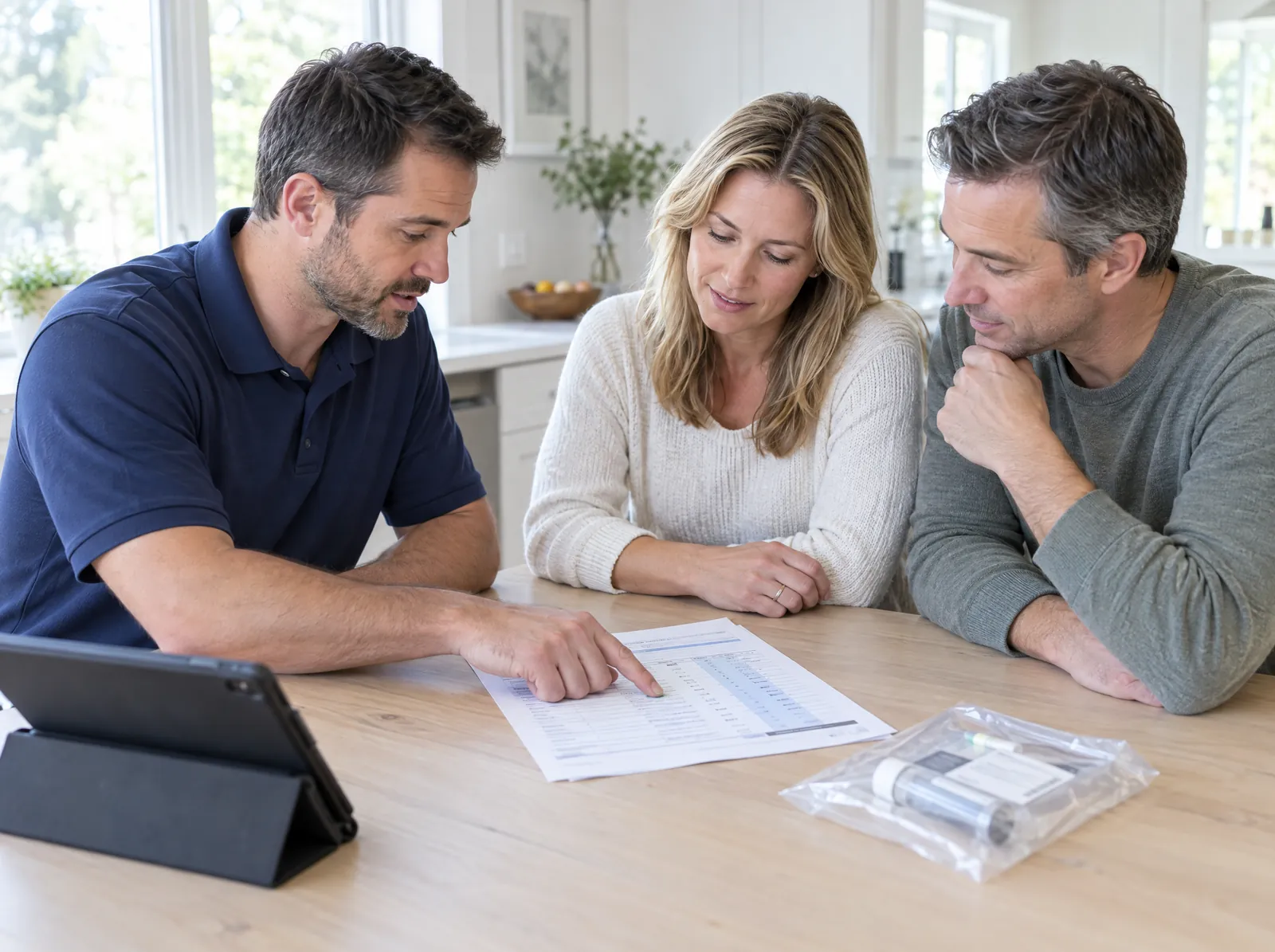
When we finish, you don't get a handshake and a promise. You get the paperwork your family, your doctor, your insurer or your buyer can rely on.
Inspection report
What we found, where it is coming from, with color photos.
Written remediation plan
Scope, timeline and what will and won't be removed, before work starts.
Clearance lab report
Air, surface and mycotoxin results after the work is done.
A report for your doctor
With your permission, we share results directly with your care team.
Mycotoxins in Florida homes, explained
What Florida’s climate does to a mold problem
Mold makes mycotoxins when it is growing on wet material, and Southwest Florida gives it more chances than most places. Summer brings months of heat, rain and humidity. Most homes are concrete block with drywall over it, and block holds water and releases it slowly. And because the windows stay shut and the AC runs most of the year, whatever dust forms inside the house keeps moving through the air handler and settling back into rooms.
That last point is why mycotoxin work in Florida so often comes back to the AC system. The toxins don’t float free on their own. They ride on dust and on tiny mold fragments, and a recirculating system is very good at spreading dust. Our national page on mycotoxins in HVAC systems covers the science in more depth.
Where toxins hide in Southwest Florida homes
These are the places an assessor’s samples most often point us to in Lee, Collier and Charlotte county homes:
| Location | Why it happens | What the work usually involves |
|---|---|---|
| AC closet and air handler | Condensation, clogged drain lines and overflowing drain pans | Cleaning the cabinet, coil area and drain pan, and HEPA cleaning the ducts |
| Exterior block walls | Wind-driven rain and slow wicking through block and stucco | Removing damp drywall, HEPA cleaning and enzyme treatment of the block |
| Bottom of walls and baseboards | Storm surge, flood water or a past leak that was dried but not cleaned | Flood cuts above the old water line, cavity cleaning and treatment |
| Kitchen and bathroom cabinets | Slow plumbing leaks behind the cabinet box | Removing damaged cabinet backs or bases and cleaning the wall behind |
| Settled dust throughout the house | Years of recirculated air carrying fragments | HEPA vacuuming, detailed wiping and air scrubbing room by room |
Testing and clearance are independent in Florida
Florida licenses mold assessors and mold remediators separately. Under Florida Statute 468.8419, an assessor may not remediate a structure it assessed within 12 months, and a remediator may not assess a structure it remediated within 12 months. Certified Division I contractors are the exception.
On our Southwest Florida projects, an independent licensed mold assessor inspects and samples the home, writes the scope, and performs clearance testing. We do the remediation to that protocol. For a mycotoxin project that separation matters: the company testing your home has no reason to find more mold than is there, and the company removing it can’t grade its own work.
What the testing measures doesn’t change. Air samples show what is in the air today. Dust-based tests such as ERMI or HERTSMI-2 show which molds have been growing over time. Mycotoxin panels look for specific toxins in settled dust or on surfaces. Our Southwest Florida mycotoxin testing page explains how those samples are collected and read.
After a storm, even a few years later
Hurricane Ian in 2022, then Helene and Milton in 2024, left thousands of Southwest Florida homes wet at the same time. Many were dried, patched and painted as fast as crews could manage. Where wet drywall or insulation stayed in the wall, mold could grow out of sight and leave toxins behind it, even after the growth itself stopped. If your home took on water in one of those storms and you have never felt right in it since, read our guide to mycotoxins after hurricane water damage.
Why we don’t fog or bleach
Bleach, biocides and foggers are made to kill living mold. Mycotoxins aren’t alive, so killing doesn’t apply to them, and dead mold breaks into fragments that can still carry toxins. Removal takes two things together: physically taking out contaminated materials and dust, and breaking down what remains. For that second step, we use products from US Enzyme, plant-based treatments designed to break down mold and mycotoxins. Every project is backed by a complete-removal guarantee. We don’t close a job on a failed result.
Not sure yet whether your home needs any of this? Our free AI Mold Risk Check takes about three minutes and helps you decide what to do next.
We remove mold and mycotoxins from buildings. We don’t diagnose or treat medical conditions. If you have symptoms, please work with a doctor. With your permission, we’re glad to share lab results and our plan with them.
Common questions
Have a question that isn't here? Call a specialist
Is mycotoxin remediation different in Florida?
The chemistry is the same everywhere, but the conditions aren't. Florida homes run air conditioning most of the year, sit on slab with block walls, and take on water in storms. And under Florida law, testing and clearance on our projects are done by an independent licensed assessor rather than by the company doing the removal.
Who tests my home for mycotoxins on a Florida project?
An independent licensed mold assessor. Florida Statute 468.8419 generally bars a remediator from assessing a structure it remediated in the last 12 months, and the reverse, with an exception for certified Division I contractors. We help coordinate the assessor, follow their protocol and share our documentation with them.
Can a hurricane from years ago still be causing a problem?
It can. Mycotoxins are stable compounds that can stay in settled dust and building materials long after the mold that made them has died. Homes that were dried and closed up quickly after Ian, Helene or Milton sometimes have growth behind walls that was never found.
Will running the AC and a dehumidifier get rid of mycotoxins?
No. Lower humidity helps stop new mold growth, which matters a great deal in Florida. But drying a home doesn't remove toxins that are already there. They have to be physically cleaned out and broken down.
What happens to our furniture and belongings?
Hard items like glass, metal, tile and finished wood can usually be HEPA vacuumed and wiped. Clothing and washable fabrics can often be laundered. Mattresses, upholstery and other soft items are judged case by case, based on the assessor's results.
How much does mycotoxin remediation cost in Southwest Florida?
It depends on how much of the home is affected, what the assessor's scope calls for, whether the AC system needs cleaning and how many belongings need treatment. You get a written price based on that scope before any work begins.
We live out of state part of the year. Can the project still work?
Yes. Plenty of Southwest Florida homeowners live here only part of the year. We can coordinate with your assessor, property manager or home-watch service, and send photos and reports as the work moves along.
We're done when the lab says so.
Every remediation ends with clearance testing, and our work is backed by a complete-removal guarantee. We don't close a job on a failed result.
Talk to a specialistTalk to a Southwest Florida mycotoxin specialist
Tell us about your home and what your doctor or assessor has found. A specialist will call you back.
Not sure yet? Try the free AI Mold Risk Check